
How to Find New Construction Homes
Learn how to find new construction homes, compare builders, spot red flags, and choose a home that fits your budget, timeline, and goals.
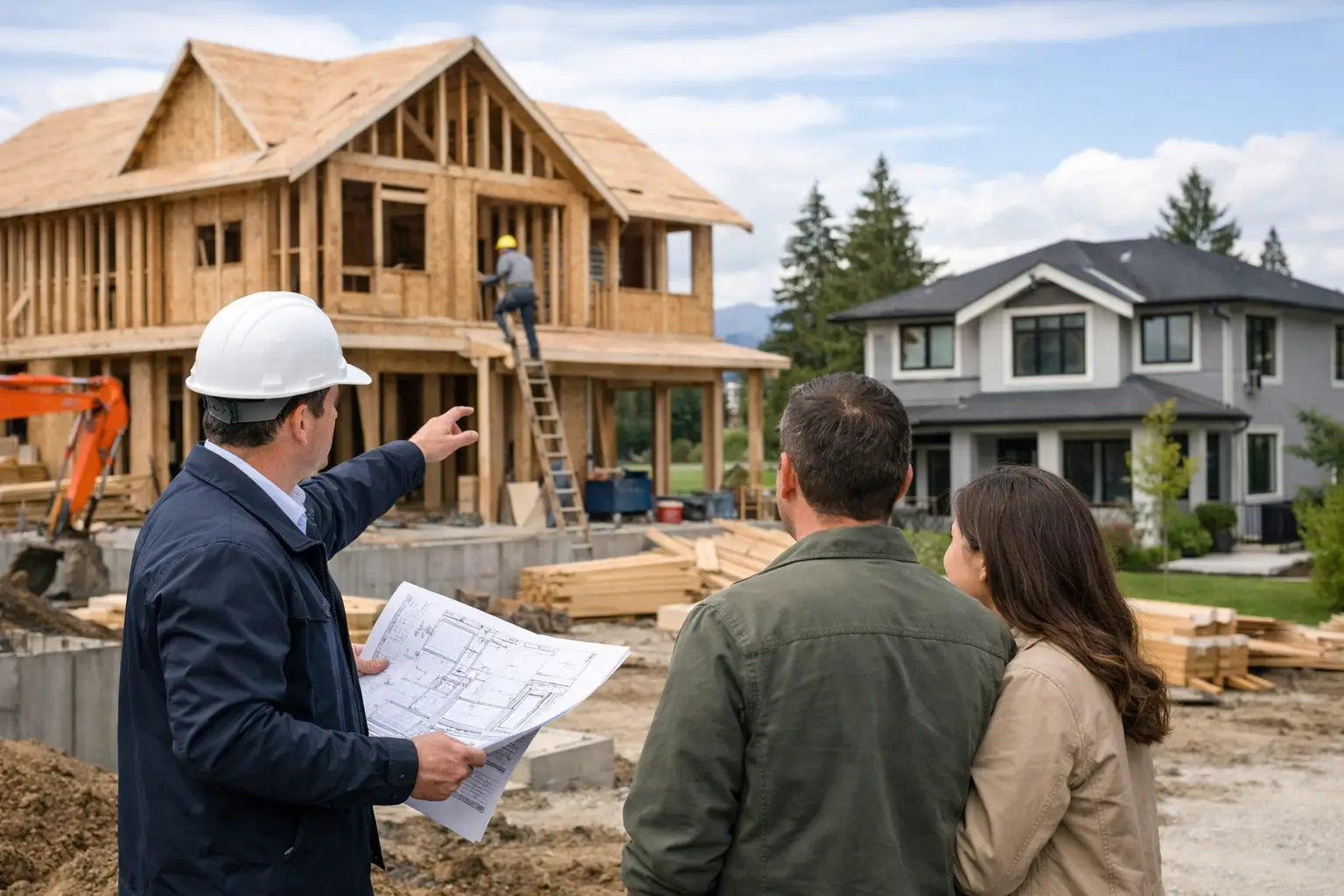
A resale home can show well on a Saturday afternoon and still surprise you with aging systems, hidden water damage, or a layout that never quite fits your life. That is one reason so many buyers start asking how to find new construction homes instead. The appeal is clear: modern layouts, updated materials, better energy performance, and fewer immediate repair issues. But finding the right new build is not as simple as driving through a fresh subdivision and picking a lot.
The best results usually come from treating the search like a building project, not just a house hunt. New construction involves land, builder reputation, municipal approvals, pricing structure, allowances, timelines, and warranty coverage. If you understand where to look and what to ask, you can make a much better decision before you commit.
How to find new construction homes in the right places
Most buyers start with listing platforms, and that is fine, but it should not be your only method. Some new construction homes are listed widely, while others are marketed directly through builders, local agents, development sales teams, or community signage before inventory becomes easy to find online.
Start by narrowing your search area based on how you actually live. Commute times, school access, neighborhood growth, zoning changes, and nearby amenities matter just as much as square footage. A beautifully finished home in the wrong location will still feel like the wrong investment.
Once you know your target area, look for a mix of active developments and infill opportunities. Large subdivisions tend to offer predictable processes and several model options. Infill builds in established neighborhoods can offer better location value, but availability is lower and the homes may be more customized, which can affect pricing and timelines.
It also helps to pay attention to permits and development activity. If you notice land being cleared, site signs posted, or several homes under construction in one pocket, that often points to upcoming inventory. A local contractor or builder usually has a clearer view of where growth is happening than a general search portal does.
Go beyond the listing and research the builder
A new home is only as reliable as the team behind it. Photos and finish packages can attract attention, but the real question is whether the builder is organized, accountable, and consistent.
When you are comparing options, spend time looking into the builder’s track record. How long have they been active in the area? Do they specialize in production homes, custom homes, or a mix of both? Have they completed projects similar to the home you are considering? Experience alone is not enough, but it does tell you something about how they handle planning, trades, inspections, and follow-through.
You should also look at the quality of their finished work in person if possible. Model homes can be polished for presentation, so ask to see examples of completed projects or communities that have been occupied for a while. That is where workmanship becomes more honest. You can often spot how well materials hold up, how carefully details were handled, and whether the builder maintained consistency beyond the showroom stage.
Communication matters just as much as craftsmanship. Buying new construction often means dealing with phased updates, design decisions, and moving timelines. If the builder is vague during the sales process, that usually does not improve once the contract is signed.
Know the difference between spec, semi-custom, and fully custom
If you are trying to figure out how to find new construction homes that actually fit your needs, this distinction is important. Not every new build offers the same level of control.
A spec home is built before a buyer is involved, or nearly completed by the time it is listed. This can be a good option if you want a new home without a long construction wait. The trade-off is that your design choices may be limited or nonexistent.
A semi-custom home gives you more flexibility. You may be able to choose finishes, some layout adjustments, and upgrade packages, but the structure and major systems are usually based on a pre-set plan. This works well for many families because it balances personalization with a more manageable process.
A fully custom home gives you the greatest control, but it also requires the most time, decision-making, and budget discipline. If you are considering this route, the search for a home often becomes a search for the right lot and the right contractor-partner. That changes the process completely.
Ask better questions during tours and sales meetings
New construction sales materials are designed to highlight the best parts of a property. Your job is to understand what is standard, what costs extra, and what might affect your timeline or long-term ownership costs.
Ask what is included in the base price. This sounds basic, but many buyers assume features in a model home are standard when they are actually upgrades. Flooring, appliance packages, millwork, lighting, landscaping, air conditioning, and even driveway finishes can vary.
Ask about allowances and upgrade pricing. A home can appear affordable until finish selections begin adding up. You want a clear sense of what your realistic total cost will be, not just the entry-level number used in marketing.
You should also ask about the construction schedule and what could delay it. Weather, permit timing, utility connections, material availability, and inspection sequencing all affect delivery. A good builder will not promise a perfect timeline. They will explain the process honestly.
Then ask about warranty coverage, service after possession, and how deficiencies are handled. The handover process tells you a lot about how seriously a builder takes accountability.
Watch for red flags before you commit
There is a difference between normal construction uncertainty and poor project management. Buyers sometimes overlook warning signs because they are excited about a floor plan or neighborhood. That can get expensive later.
Be cautious if pricing is unclear, upgrade schedules are hard to obtain, or contract language leaves too much room for open-ended changes without explanation. You should also pay attention if the sales team avoids direct answers about completion timelines, site conditions, or past project issues.
Another red flag is a mismatch between marketing and execution. If the promotional material feels polished but the site itself looks disorganized, rushed, or poorly supervised, take that seriously. Construction quality is usually reflected in the process, not just the final brochure.
It is also wise to be careful with deals that seem far below the surrounding market. Sometimes there is a legitimate reason, but sometimes the lower price reflects compromised scope, undersized allowances, weaker materials, or unresolved site challenges.
Think beyond the home and evaluate the full investment
A new construction home is not just a purchase price. It is a package of long-term costs, conveniences, and trade-offs.
A lower-maintenance home may save you money in the first several years, but property taxes, HOA fees, utility performance, commuting costs, and future neighborhood development can all affect the real value of what you are buying. A home on the edge of a growth area may appreciate well, but only if the infrastructure, amenities, and surrounding build quality support that growth.
This is also where lot selection matters. Two homes with the same floor plan can feel very different depending on orientation, privacy, traffic exposure, grading, and proximity to future construction phases. Buyers often focus heavily on interior finishes and not enough on the lot itself, even though the lot is the one thing you cannot change later.
Work with professionals who understand construction
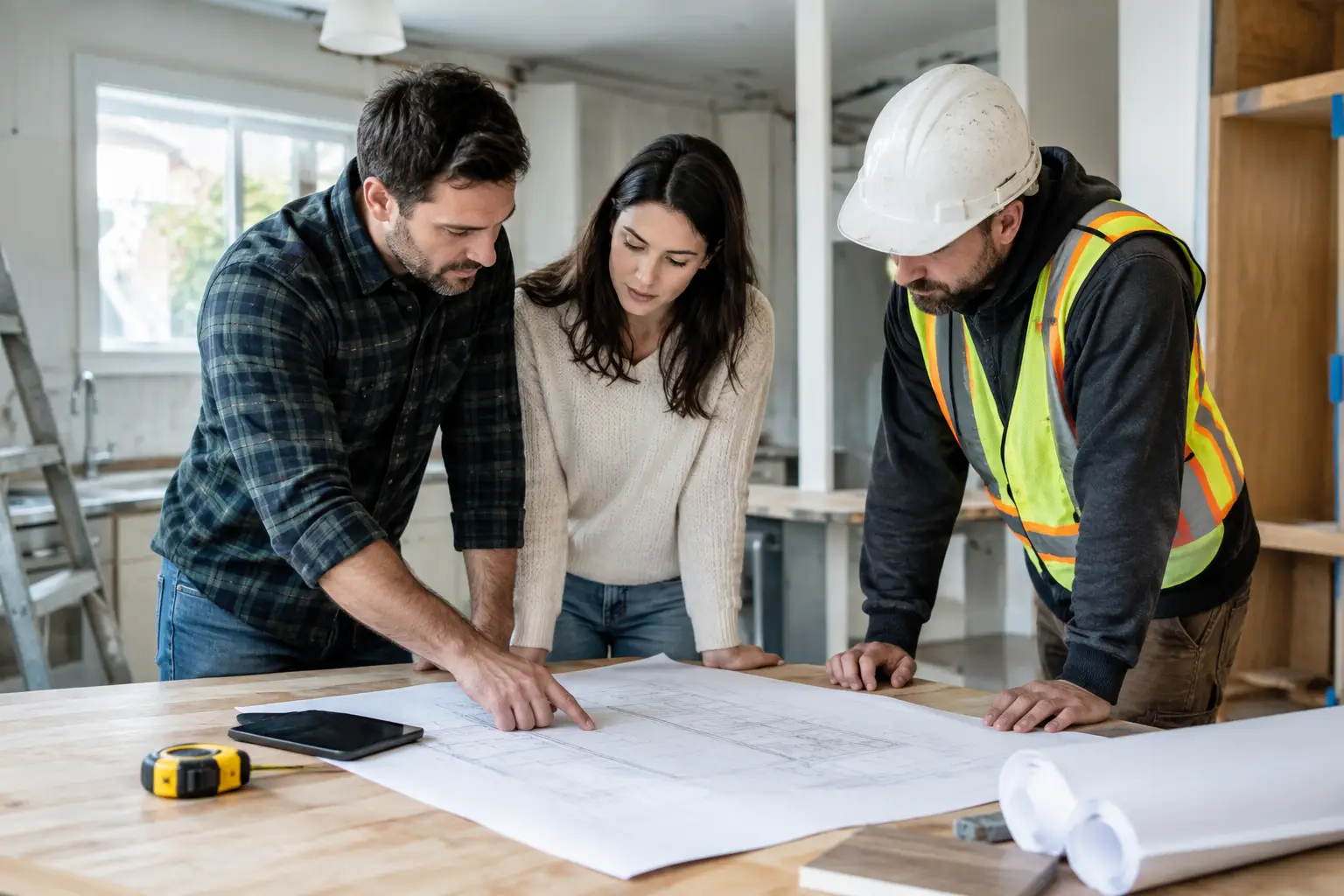
If you want to know how to find new construction homes without getting lost in surface-level marketing, work with people who understand how homes are actually built. That may include a knowledgeable real estate agent, a real estate attorney depending on your market, and in some cases a contractor or construction professional who can help you assess quality, scope, and practical implications.
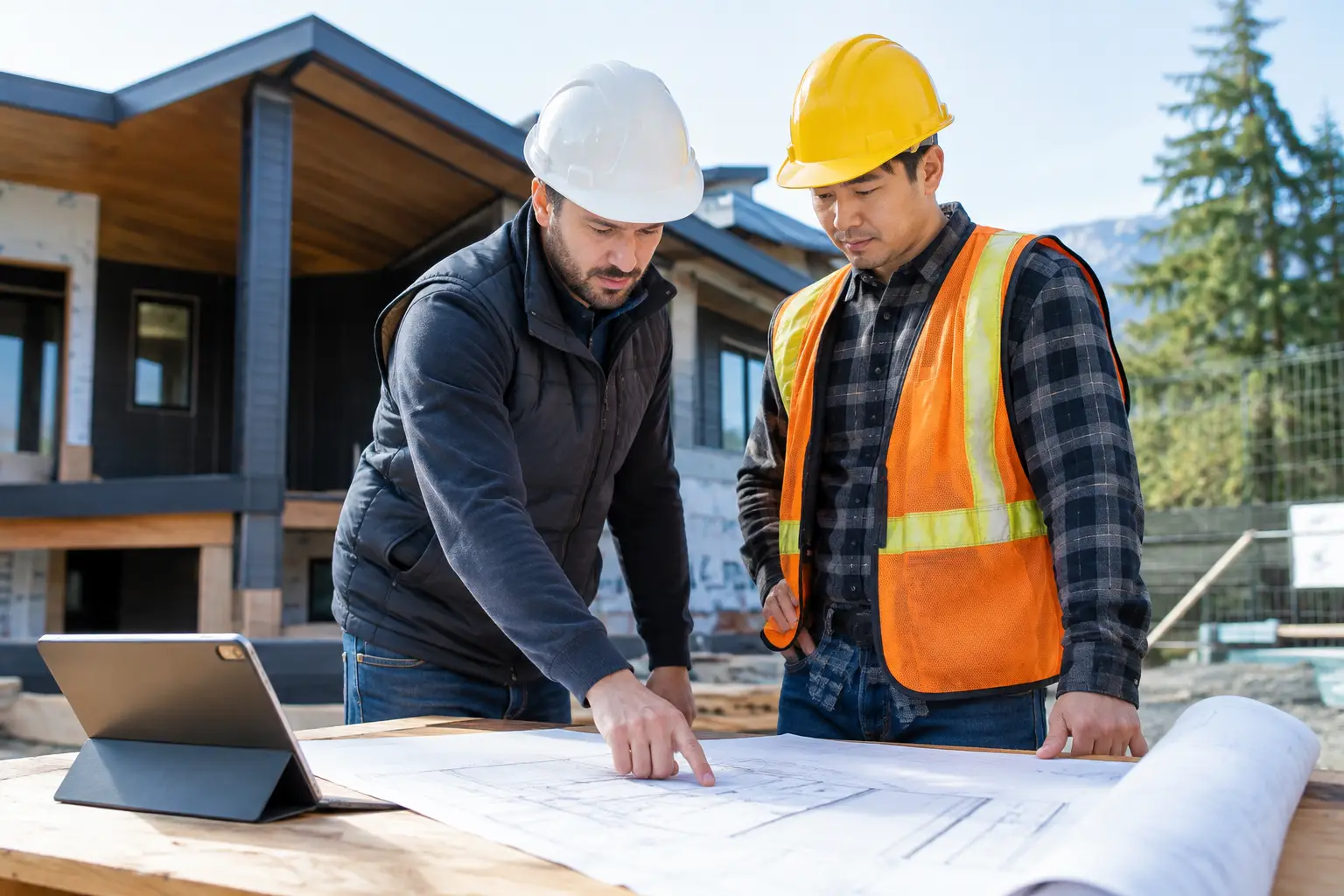
This matters even more if you are comparing a developer-built home with the option to build your own. An experienced construction partner can help you understand budgeting, permitting, site constraints, timelines, and the real difference between a home that looks finished and one that is truly well built.
For buyers who want more than a standard package, that guidance becomes even more valuable. Companies like Rely Construction often work with clients who need clarity from concept through completion, not just a quick transaction. That kind of support can make a big difference when the goal is to build wisely, not just buy quickly.
The right new construction home is usually found by slowing down just enough to ask better questions. A good home should fit your budget, your timeline, your daily life, and your comfort level with the process. If you keep those priorities in front of you, the search becomes a lot less overwhelming and a lot more productive.