
How Construction Defects Affect Your Property
Construction defects can affect comfort, safety, and value. Learn what to watch for, how to document concerns, and when to involve your builder early.
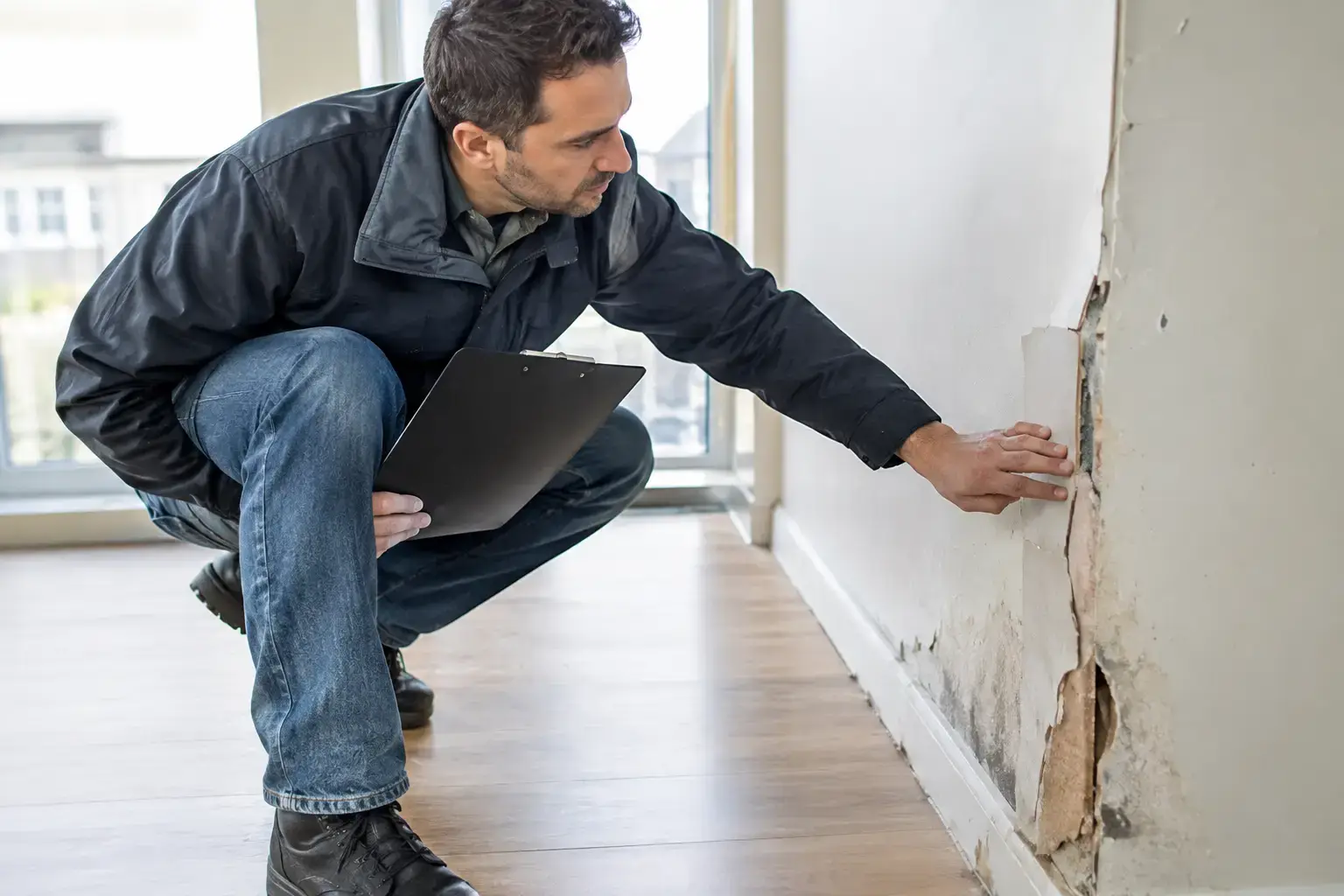
A hairline crack above a doorway, a damp spot that returns after every heavy rain, or a floor that suddenly feels uneven can be more than an annoyance. Construction defects may affect how a property looks and functions, but they can also point to issues behind finished walls, beneath flooring, or within critical building systems. The earlier a concern is identified and assessed, the more options an owner typically has to address it thoughtfully.
For homeowners, developers, and business owners, the goal is not to panic at every imperfection. Buildings are made from materials that settle, expand, contract, and age. The goal is to understand the difference between normal movement, a minor finishing issue, and a problem that deserves prompt professional attention.
What Counts as a Construction Defect?
A construction defect is generally a problem in a building’s design, materials, workmanship, or installation that causes damage, reduces performance, or prevents part of the property from working as intended. Some defects are visible at handover. Others take months or years to become apparent, especially where water management, ventilation, structural connections, or mechanical systems are involved.
Not every unfinished detail is a defect. A paint touch-up, a small caulk gap, or a door adjustment may be a normal item on a final punch list. The concern becomes more significant when the issue recurs, worsens, causes damage, creates a safety concern, or falls short of the agreed scope, applicable code requirements, or manufacturer installation instructions.
The source is not always obvious. A stain on drywall, for example, may come from a roof penetration, window flashing, plumbing line, condensation issue, or an exterior wall assembly that is not managing moisture correctly. Repairing the stain without finding the source only delays the real repair.
Common Construction Defects to Watch For
Defects can appear in any kind of project, from a kitchen renovation to a new home, tenant improvement, or commercial buildout. Some are primarily cosmetic, while others can affect durability, safety, indoor comfort, and property value.
Water Intrusion and Drainage Problems
Water is one of the most persistent threats to a building. Leaks around windows, doors, roofs, decks, foundations, and exterior penetrations can damage framing and insulation long before a visible stain appears. Poor grading or drainage can direct water toward the foundation instead of away from it.
Watch for peeling paint, musty odors, soft finishes, staining, bubbling drywall, or recurring moisture after rain. In commercial spaces, leaks may also disrupt operations, damage inventory, or create a hazard for employees and visitors. The visible evidence may be minor, but the cause should be investigated rather than covered over.
Cracking, Movement, and Structural Concerns
Small shrinkage cracks can occur as concrete cures or a new building settles. That does not automatically mean there is a structural problem. However, wide, growing, diagonal, or repeated cracks, especially near windows, doors, foundations, beams, or load-bearing walls, deserve closer review.
Doors and windows that become difficult to operate, sloping floors, gaps opening between trim and walls, or movement in a deck or stair system can also signal an issue. The right response depends on the cause. It may be a straightforward adjustment, or it may require assessment by a qualified professional with structural expertise.
Mechanical, Electrical, and Plumbing Issues
A space can look finished while essential systems are not performing properly. Uneven heating or cooling, frequent breaker trips, poor ventilation, low water pressure, slow drains, or fixtures that leak after regular use should be documented and reviewed.
These issues matter because they affect daily comfort and long-term maintenance. They can also create hidden damage if left unresolved. For example, an improperly vented bathroom may allow moisture to build up over time, while a small plumbing leak inside a wall can affect finishes, framing, and air quality.
Finish and Installation Problems
Poorly installed flooring, tile, cabinetry, trim, siding, roofing, or countertops may begin as an appearance concern but can become a performance issue. Tile that sounds hollow, flooring that separates, countertops with inadequate support, or exterior cladding installed without proper flashing can lead to more extensive repairs.
Context matters. Natural material variation and reasonable tolerances are part of construction. What matters is whether the finished work meets the agreed expectations, is installed according to the product requirements, and performs as it should under normal use.
How to Respond When You Notice a Problem
The most productive first step is to document what you see. Take clear photos and videos, note the date, record when the issue occurs, and describe any pattern. Does the leak happen only during wind-driven rain? Does the floor squeak in one location or across an entire room? Does a crack appear to be getting longer?
Then review your contract documents, specifications, approved drawings, change orders, warranties, and any handover records. These documents help establish what was included, which products were selected, and who may need to be involved. Clear records also make conversations more efficient and less emotional.
Contact the contractor or builder in writing and provide a concise description of the concern. A responsible construction partner should take the report seriously, arrange an inspection where appropriate, and explain the next steps. The aim should be to identify the root cause, agree on a reasonable repair plan, and keep you informed throughout the process.
Avoid hiring someone to make a permanent repair before the original contractor has had a fair opportunity to inspect the concern, unless immediate action is needed to protect people or prevent further damage. Emergency steps such as stopping an active leak, securing an unsafe area, or protecting contents should not wait. Keep records of any emergency work and related costs.
Why Root-Cause Analysis Matters
The fastest visible repair is not always the right repair. If a wall is repaired and repainted without addressing a flashing failure or plumbing leak, the same damage can return. If flooring is replaced without correcting a moisture issue in the subfloor, the new material may fail as well.
A proper assessment looks at the full assembly and sequence of work. It considers design details, material compatibility, installation methods, site conditions, moisture paths, ventilation, and maintenance. In some cases, one trade can make the correction. In others, the repair requires coordinated work among roofing, envelope, plumbing, electrical, drywall, and finishing professionals.
This is where experienced project management makes a meaningful difference. A contractor should not treat the repair as a collection of isolated tasks. The work needs a clear scope, responsible coordination, quality checks, and a plan for restoring affected finishes once the underlying issue is resolved.
Preventing Defects Before They Become Expensive
Prevention starts well before construction begins. Clear drawings, realistic budgeting, product selections made early enough to coordinate properly, and careful permitting reduce uncertainty. During construction, regular site supervision and quality control help catch problems when they are simpler and less costly to correct.
Owners also have a role to play. Ask questions when something differs from your expectations, keep decisions and changes in writing, and participate in scheduled walkthroughs. Before handover, take the time to test doors, windows, appliances, plumbing fixtures, lighting, heating and cooling, and other systems relevant to the project. A detailed final review is not an inconvenience. It is part of protecting the investment you have made.
For renovation work, some conditions cannot be fully known until walls, floors, or ceilings are opened. A trustworthy contractor will explain that possibility upfront, communicate quickly if concealed conditions are found, and provide clear options before moving forward. Transparency does not eliminate every surprise, but it prevents surprises from becoming avoidable disputes.
When to Seek an Independent Opinion
If a concern is significant, disputed, recurring, or tied to safety, an independent inspection may be appropriate. Depending on the issue, that could involve a building envelope specialist, structural engineer, licensed electrician, plumber, HVAC professional, or other qualified expert.
An independent opinion is especially useful when the cause is unclear or when repair proposals address symptoms but not the underlying condition. It can also help owners understand the urgency of the situation and compare repair options on a more informed basis. Local warranty rules, building codes, and contract terms vary, so the appropriate process will depend on the property and the nature of the concern.
A well-built property should give its owner confidence, not a growing list of unanswered questions. When an issue appears, timely documentation, candid communication, and a repair plan built around the true cause can protect both the building and the relationship behind the project. At Rely Construction, that standard of care extends beyond the final walkthrough: a project is not simply finished when the work looks complete, but when the client can move forward with clarity and confidence.