
Basement Contractor Reviews That Actually Help
Basement contractor reviews can reveal workmanship, communication, and budget discipline. Learn what to read closely before choosing your builder wisely.
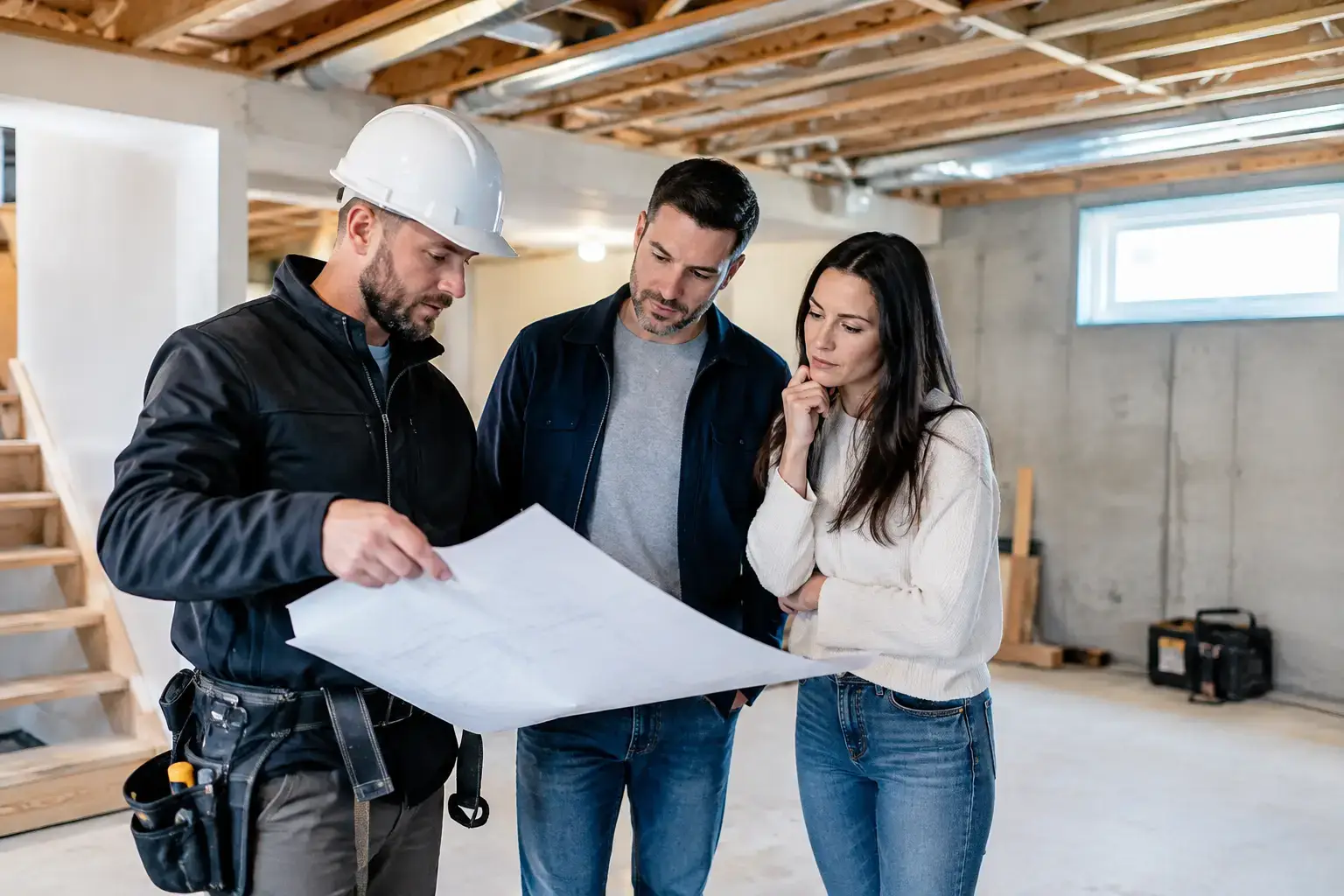
A basement renovation can change how a home works for years to come. It can add living space, create room for family, support a home office, or make a property more attractive to future buyers. Because so much is hidden behind finished walls and ceilings, basement contractor reviews deserve more than a quick glance at a star rating.
The most useful reviews do not simply say a contractor was “great” or that the finished room “looks amazing.” They help you understand what it was like to make decisions with that builder, manage unexpected conditions, communicate through delays, and live with the results after the final payment. Reading them carefully can help you choose a contractor who respects both your home and your investment.
What Basement Contractor Reviews Can Tell You
A review is one client’s experience, not a complete picture of a company. Still, patterns across many reviews can reveal how a contractor operates when the work becomes complicated. Basement projects often do become complicated. Moisture concerns, low ceiling heights, structural changes, electrical upgrades, plumbing locations, insulation requirements, and permit issues can all affect the scope.
Look for comments about communication and follow-through. Did the contractor explain the work before it started? Were homeowners kept informed when schedules shifted? Did someone answer questions directly, or did clients feel they had to chase updates? A beautiful finished basement matters, but a project can feel stressful when communication is inconsistent.
Reviews can also show whether a contractor handles the full process or only the visible construction phase. A well-managed basement renovation typically involves planning, budgeting, permits where required, trade coordination, inspections, finishing details, and a clear handover. If reviewers repeatedly mention that the team helped them understand these steps, that is meaningful evidence of organized project management.
Read Beyond the Star Rating
A high average rating is encouraging, but it should be the start of your research rather than the end. Five-star reviews with no detail can be genuine, yet they give you little information about the contractor’s planning, workmanship, or accountability.
Instead, read the written comments and notice what clients describe without being prompted. Specific details are more useful than broad praise. A homeowner who explains that the contractor identified a drainage issue before drywall went up, coordinated an inspection, and presented options with cost implications gives you more to work with than a one-line compliment.
Pay attention to whether reviews mention projects similar to yours. Finishing an open basement room is different from building a legal rental suite, adding a bathroom, creating a theater room, or renovating a century-home basement with uneven foundations. Relevant experience does not guarantee a perfect project, but it can reduce the learning curve and help a contractor anticipate common risks.
Recency matters as well. Construction companies can grow, change staff, adjust their processes, or take on different project types over time. Read a mix of recent and older reviews to see whether the company’s service standards appear consistent. A long record of positive feedback is usually more reassuring than a sudden cluster of reviews posted over a few weeks.
Look for Evidence of Process, Not Just Praise
The strongest reviews often describe how a contractor responded when something did not go according to plan. Construction is not entirely predictable, especially in an existing basement. The question is not whether a surprise will ever occur. The question is whether the contractor raises it early, explains the available options, documents the impact on cost or schedule, and helps the client make an informed decision.
Comments about transparency deserve close attention. Homeowners should understand what is included in the original scope, what may be an allowance, and what would qualify as a change. Reviews that mention clear estimates, written updates, realistic timelines, and respectful conversations about budget are often more valuable than reviews focused solely on speed.
Quality control is another theme worth finding. Look for references to clean job sites, careful finishing, inspections, attention to details, and willingness to correct deficiencies. A contractor who takes ownership of small issues before handover is more likely to care about the work behind the walls as well.
At Rely Construction, that level of ownership is central to how projects are managed. A basement should not just look complete on the day it is photographed. It should be planned and built with the same care given to the home around it.
Be Thoughtful About Negative Reviews
No established contractor is likely to have a flawless record. A negative review should not automatically remove a company from consideration, but it should prompt better questions.
First, consider the complaint itself. Was the issue about a clear failure, such as abandoned work, unsafe conditions, unexplained charges, or unreturned calls? Or was it primarily a disagreement about timing, expectations, or a request that fell outside the written scope? Both situations matter, but they do not carry the same weight.
Then look for patterns. One review alleging poor communication may reflect an isolated breakdown. Several reviews across different months describing missed updates or budget surprises suggest a recurring process issue. Repetition is usually more informative than the intensity of one complaint.
If a contractor publicly responds to reviews, assess the tone. A professional response should be factual, respectful, and focused on resolution. Defensive replies, blame-shifting, or disclosure of private client details can be warning signs. At the same time, a polished response does not erase a serious complaint. Use it as one piece of a larger evaluation.
Questions Reviews Should Help You Ask
Online feedback should prepare you for a better consultation. Bring what you learn into the conversation, without treating reviews as a final verdict. A dependable contractor should be comfortable discussing how they manage the concerns that matter to you.
Ask how the company develops the scope before construction begins and how it addresses conditions discovered after demolition. Ask who will be your day-to-day contact, how often you can expect updates, and how schedule changes are communicated. Ask how subcontractors are selected and supervised, and what the quality-control process looks like before final handover.
For a basement project, it is also reasonable to ask about moisture management, insulation, ventilation, egress, ceiling height, and permits. The right answer will depend on your house, your municipality, and the purpose of the finished space. Be cautious of anyone who offers certainty without first assessing the property.
You can also request references for projects resembling yours. Speaking directly with a past client may help you understand the practical side of working together: how the team handled access to the home, protected finished areas, managed noise and dust, and responded after the work was complete.
Balance Reviews With Your Own Due Diligence
Reviews are valuable, but they cannot replace a detailed proposal, a clear contract, appropriate licensing and insurance verification, or an in-person assessment of your home. The lowest estimate can look attractive until missing scope, inadequate planning, or costly changes begin to surface. Likewise, the highest estimate is not automatically the best choice if the contractor cannot explain the value behind it.
Compare proposals based on clarity. Does each one identify the work to be completed, materials and allowances, exclusions, anticipated schedule, payment structure, and process for changes? A contractor who takes time to make these points understandable is helping you make a sound decision, not pressuring you to commit.
Your consultation should also feel like a two-way conversation. A good contractor will ask how you intend to use the basement, what matters most to your family, where you are willing to be flexible, and what budget boundaries need to be respected. Those questions show that the builder is thinking beyond a generic finish package.
Choose the Contractor You Can Work With
The right basement contractor is not simply the company with the most glowing testimonials. It is the team whose reviews, references, proposal, and conversations all point to the same qualities: clear communication, capable planning, reliable craftsmanship, and accountability when decisions become difficult.
A finished basement is a long-term part of your home. Take the time to read carefully, ask direct questions, and choose a contractor who treats your trust as seriously as the construction itself.