
How to Buy a New Construction Home
Learn how to buy a new construction home with confidence, from budget and builder vetting to contracts, inspections, upgrades, and closing.
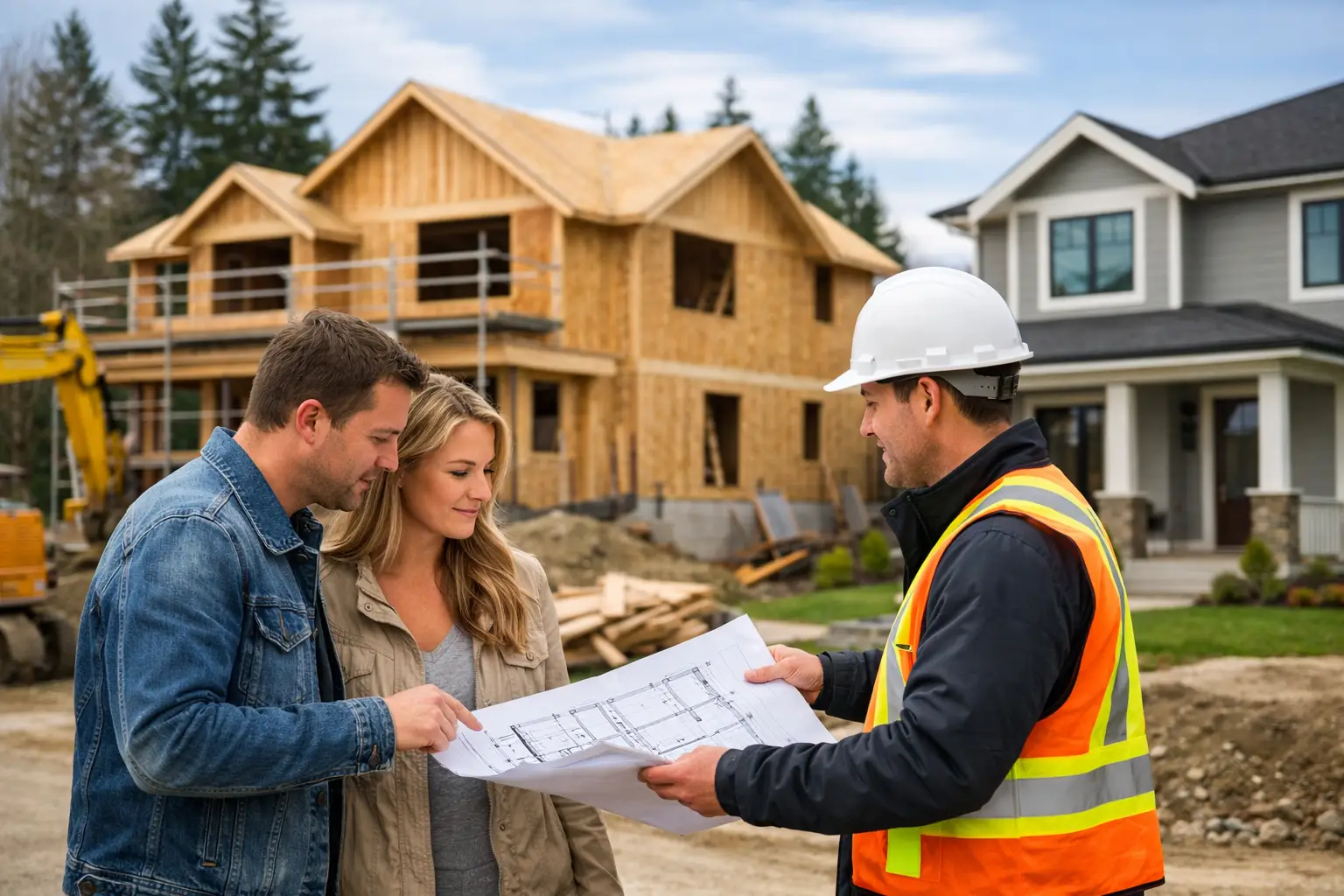
A new construction home can look straightforward on the surface – clean finishes, modern systems, fewer immediate repairs – but the buying process is rarely as simple as walking through a model and picking your favorite floor plan. If you are figuring out how to buy new construction home options the right way, the real work starts before you sign anything.
Unlike resale, new construction often involves builder contracts, upgrade decisions, allowance questions, construction timelines, and a different kind of due diligence. You are not just buying a house as it stands today. In many cases, you are buying a process, a team, and a set of promises that will be fulfilled over time. That is why a careful, informed approach matters.
How to buy a new construction home without costly surprises
The first step is getting clear on what kind of new construction you are actually buying. Some buyers are purchasing a production home in a planned community with limited customization. Others are buying a semi-custom home, where they can adjust finishes and some layout details. At the far end is a fully custom home, where the lot, design, budget, and build process are shaped around the owner from the ground up.
Those paths do not carry the same risks, pricing structure, or level of involvement. A production home may seem easier because the decisions are more limited, but upgrade costs can add up quickly. A custom home gives you more control, but it also asks more from you in planning, approvals, and budgeting. Neither route is better in every case. The right fit depends on your budget, timeline, and appetite for decision-making.
Before visiting communities or meeting builders, get pre-approved by a lender and define your comfort range, not just your maximum loan amount. New construction buyers often focus too heavily on base price and forget about lot premiums, design center selections, landscaping, window coverings, appliances, utility hookups, and closing adjustments. A home that looks affordable at first glance can shift well beyond budget once the real numbers are on paper.
Start with the builder, not just the house
When you buy resale, you evaluate the property. When you buy new construction, you also need to evaluate the builder with equal care. The quality of the experience often comes down to how that builder communicates, manages trades, handles changes, and responds after handover.
Look at more than marketing materials and model homes. Ask how long they have been building in the area, what kind of warranty process they follow, how they manage delays, and what is included in their standard specifications. If possible, review completed projects, not just showroom finishes. A polished sales office does not always tell you how the home performs six months after move-in.
This is also where local knowledge matters. Builders and contractors with strong trade relationships and a hands-on management style tend to have more control over quality and scheduling. That does not mean every project runs perfectly. Construction rarely works that way. But it does mean problems are more likely to be addressed early, clearly, and responsibly.
Read the contract slowly
One of the biggest mistakes buyers make is assuming a new construction contract is routine. It is not. Builder agreements are usually written to protect the builder, and they often differ significantly from standard resale contracts.
Take the time to understand what happens if material prices rise, if completion is delayed, if products are discontinued, or if there are minor plan changes during construction. Review deposit structure, change order terms, allowance items, and what counts as a finished deliverable. If the builder has the right to substitute materials, find out under what conditions and to what standard.
You should also know what is and is not included. Buyers are often surprised to learn that features shown in a model home may be upgrades rather than standard items. Lighting packages, millwork details, flooring selections, and even exterior features can vary. If it matters to you, get it written into the agreement and attached schedules.
For many buyers, this is a good point to involve a real estate attorney or experienced advisor. That added review can feel like an extra expense, but it is usually far less expensive than resolving a contract misunderstanding after construction is underway.
Understand the true cost of upgrades
Upgrades are where budgets often drift. Some upgrades make practical sense. Others are easier and more cost-effective to do after move-in. The challenge is knowing the difference.
Structural and behind-the-wall items are usually worth serious consideration during the build. Extra lighting locations, better insulation in key areas, added outlets, rough-ins, taller basement ceilings where possible, or kitchen layout improvements are difficult to change later. Cosmetic items like decorative hardware, some light fixtures, or certain backsplashes may be easier to upgrade on your own timeline.
The right approach depends on the builder pricing, your cash flow, and how long you plan to stay in the home. If this is a long-term home, paying more upfront for layout and performance improvements can be worthwhile. If you are stretching to close, it may be smarter to keep the builder package simple and prioritize upgrades in phases after possession.
A grounded builder or contractor will help you separate high-value decisions from emotional spending. That kind of guidance matters because it protects both the home and your budget.
Inspections still matter in new construction
A common misconception is that new means flawless. In reality, a new home can still have framing inconsistencies, drainage issues, incomplete sealing, HVAC problems, and finish defects. Municipal inspections and code compliance are important, but they are not the same as having an independent professional assess the work on your behalf.
If the purchase structure allows it, arrange independent inspections at meaningful milestones. Depending on the project, that may include pre-drywall, substantial completion, and final walkthrough stages. Even when a builder has a solid reputation, a second set of eyes can catch issues early, when they are easier to correct.
During your walkthrough, be thorough and organized. Test doors, windows, plumbing fixtures, outlets, appliances, flooring transitions, cabinetry, paint finish, and exterior drainage conditions if accessible. Create a written deficiency list and understand the timeline for corrections. Some items can be resolved before closing, while others may fall under post-closing warranty service.
Timing, delays, and what to expect
Construction schedules move, and buyers need to be realistic about that. Weather, labor availability, permit timing, inspections, product lead times, and site conditions can all affect completion dates. Delays do not automatically mean something is wrong. They do mean you need clear communication and a plan.
Ask early how the builder handles schedule updates and what happens if occupancy shifts. If you are coordinating the sale of another home, a lease ending, school timing, or financing deadlines, build in some flexibility. Tight transitions create unnecessary stress, especially when the final completion date is still subject to construction variables.
This is one reason relationship-driven project management matters so much. A builder who communicates clearly through changes is easier to work with than one who avoids hard conversations until the last minute.
How to buy a new construction home with the long term in mind
The smartest buyers are not only thinking about move-in day. They are thinking about how the home will function in three, five, or ten years. That changes the questions you ask.
Think about storage, room placement, natural light, maintenance demands, mechanical access, and how the layout supports your actual life. An open floor plan can look great in a brochure, but if there is nowhere to contain noise, clutter, or work-from-home activity, it may not serve your family well. A large kitchen island may feel like a must-have, but if the pantry is undersized or the appliance layout is awkward, daily use suffers.
This is where buying new construction becomes more than a transaction. You are making decisions that affect comfort, operating costs, resale value, and day-to-day function. At Rely Construction, we see the best outcomes when homeowners treat the planning stage seriously and work with professionals who explain the trade-offs honestly.
Closing day is not the end of the process
Before closing, confirm what documentation you will receive, including warranty details, manuals, finish schedules, and any maintenance guidance for systems and materials. Know who to contact for service requests and what the procedure is for warranty claims.
After possession, keep a running list of issues that appear as the home settles in. Small drywall cracks, minor shrinkage, and seasonal adjustments can be normal, but they should still be documented and reviewed within the warranty period. A good builder will not treat handover as the finish line. They will treat it as the beginning of long-term accountability.
Buying new construction can be a smart move, but only when the process gets the same attention as the finished home. Ask direct questions, read every detail, and choose partners who respect your investment as much as you do. A well-built home starts with good decisions long before the keys are in your hand.