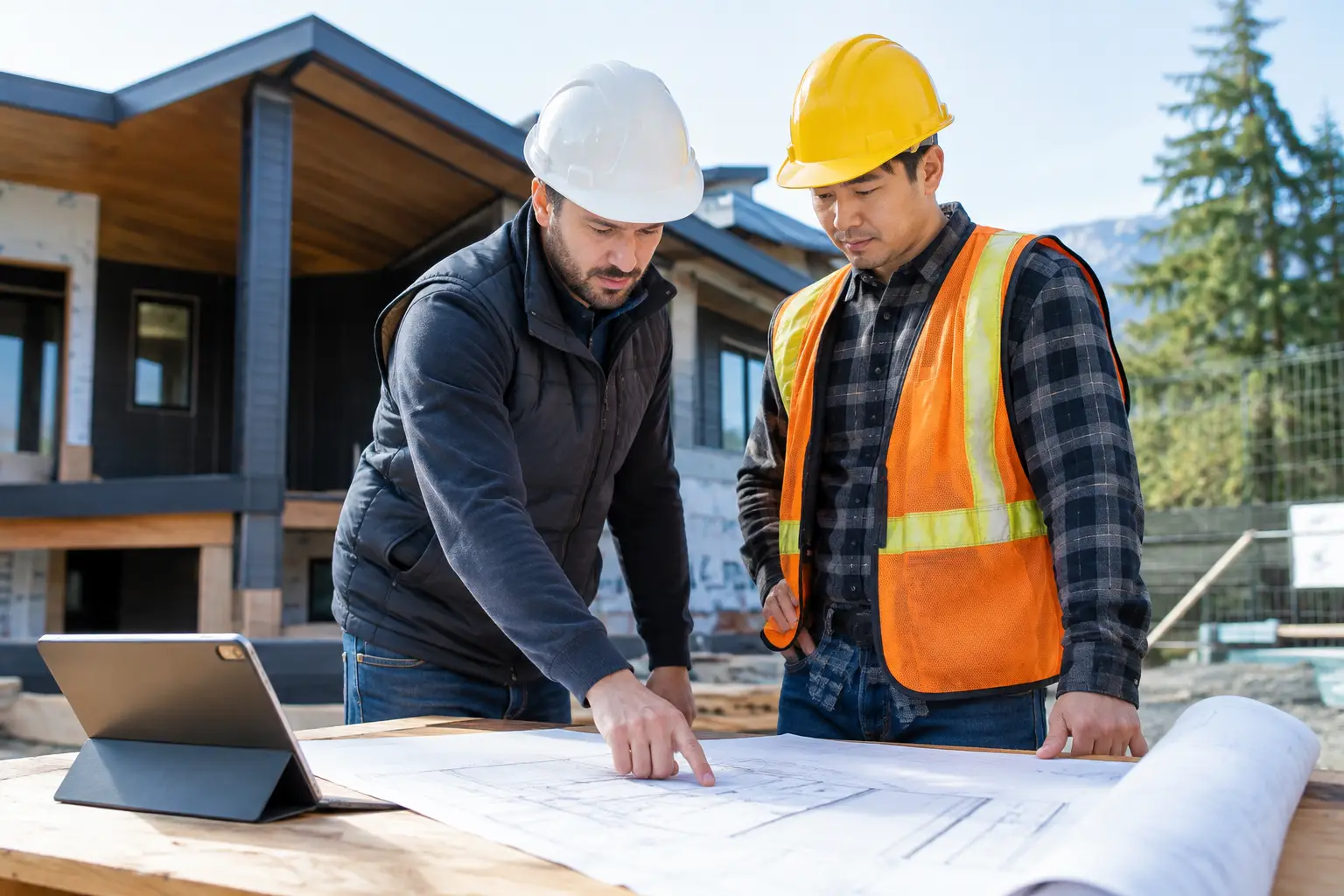

Custom Home Contractor Benefits That Last
See how custom home contractor benefits bring clarity to budgets, schedules, design choices, and construction quality from early planning through handover.
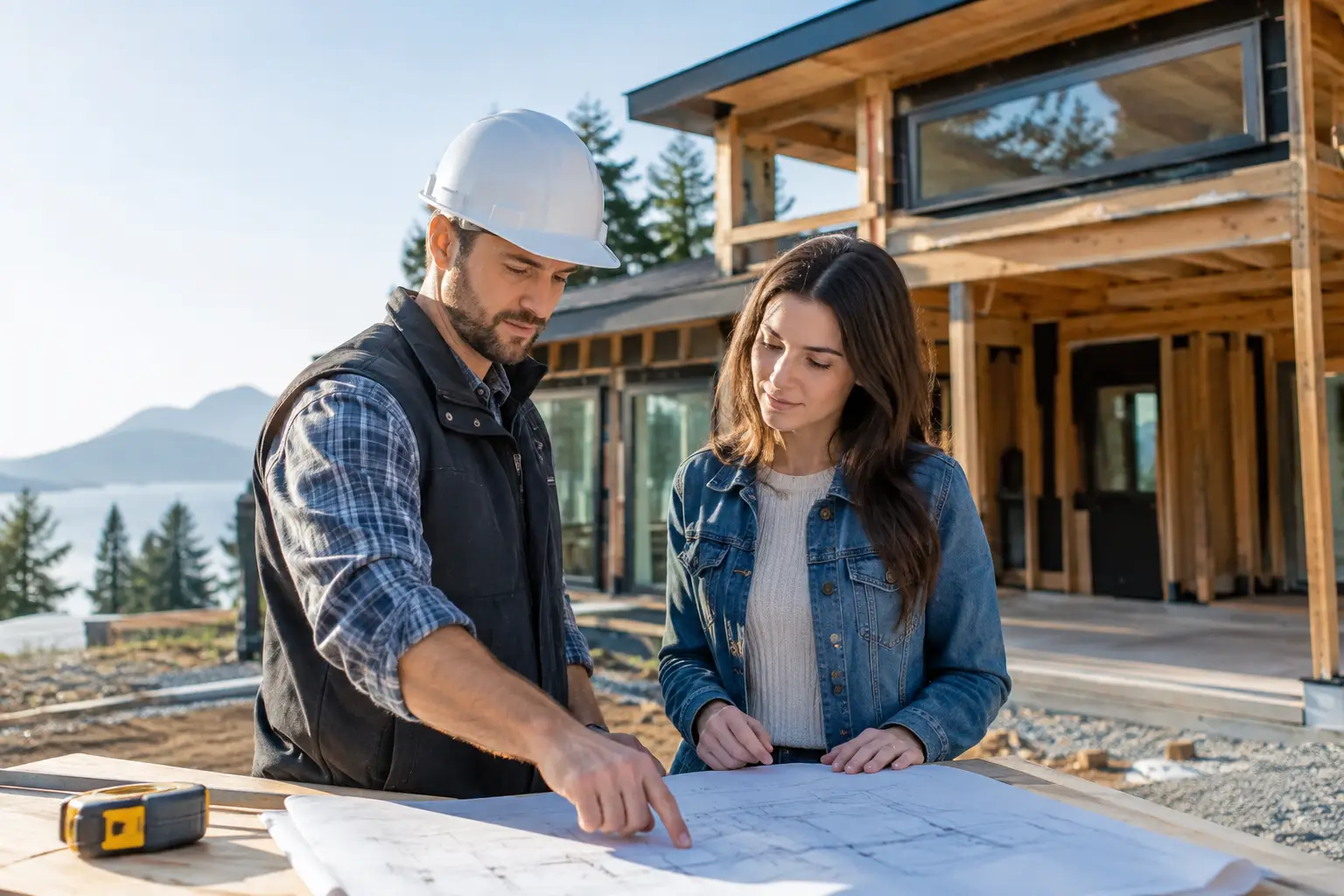
A custom home begins long before a foundation is poured. It begins with decisions that affect how your family lives, how your budget performs, and how confidently you can move through a complex process. The real custom home contractor benefits come from having one accountable partner to turn those decisions into a coordinated, well-built home.
For many homeowners, the appeal of a custom build is obvious: a home designed around their lot, routines, priorities, and future plans. What is less obvious is how much coordination sits behind that outcome. Drawings, permits, pricing, trade scheduling, material selections, inspections, and site conditions all need to align. A capable general contractor helps bring those moving pieces into focus before they become costly surprises.
Custom Home Contractor Benefits Start Before Construction
The most valuable work on a custom home often happens before crews arrive on site. Early feasibility conversations can identify opportunities and constraints in the property, such as grading, utility access, zoning requirements, site access, or the practical cost of a design feature.
A contractor involved early can also help connect design ambition to construction reality. A dramatic window wall, a cantilevered upper floor, or a highly detailed kitchen may all be possible, but each affects engineering, procurement, sequencing, and cost. Discussing those factors early gives owners room to make choices deliberately rather than under pressure after construction has started.
This does not mean a contractor should replace the architect or designer. Strong projects rely on each professional doing their part well. The contractor’s role is to bring buildability, scheduling, pricing, and field experience into the conversation, helping the full team work toward the same result.
A Budget That Reflects Real Decisions
An initial budget is only useful when it reflects the project you actually intend to build. A detailed contractor helps distinguish between allowances, fixed costs, site work, permit fees, specialty trades, and owner selections. That clarity makes it easier to see where the budget has flexibility and where it does not.
For example, changing flooring may have a contained impact. Moving a plumbing wall after framing, changing structural openings, or selecting products with long lead times can affect several parts of the schedule and budget at once. A contractor who explains those connections gives you better information for weighing priorities.
The goal is not to promise that a custom build will never change. Existing conditions, permit comments, material availability, and owner choices can all require adjustments. The benefit is a process for identifying changes, pricing them clearly, and documenting decisions before work moves forward.
One Point of Accountability, Without the Confusion
A custom home involves many skilled contributors: architects, engineers, interior designers, excavators, framers, electricians, plumbers, HVAC specialists, cabinetmakers, finish carpenters, inspectors, and suppliers. Each has an important job, but the homeowner should not have to act as the daily coordinator among them.
A full-service custom home contractor manages the sequence of work and keeps the project team informed. That includes scheduling trades in the right order, confirming that required information is available before work begins, monitoring quality, and addressing field questions quickly. When one decision affects another, there is a clear person responsible for bringing the right people together.
This accountability matters most when the plan meets the jobsite. Drawings are essential, but construction can reveal conditions that were not visible during design. A hands-on contractor can assess the issue, explain the options, and guide the next step without allowing a small uncertainty to stall the entire project.
Communication You Can Use
Construction communication should be direct, timely, and understandable. Homeowners deserve to know what has been completed, what is happening next, what decisions are needed from them, and whether a change affects cost or timing.
The right contractor does not bury clients in technical language or only reach out when there is a problem. Regular updates create a shared understanding of the work. They also help owners make selections on time, which is especially important for items such as windows, appliances, lighting, tile, plumbing fixtures, and cabinetry.
At Rely Construction, this level of communication is part of treating a project as a partnership. A custom home is a significant personal and financial investment. Clear answers and consistent follow-through are not extras – they are part of responsible project management.
Better Coordination Protects Time and Quality
Quality craftsmanship is visible in the finished details, but it is built through coordination at every stage. A clean tile layout depends on accurate framing and plumbing locations. Well-performing windows depend on correct installation, flashing, and integration with the exterior wall system. Cabinets fit properly when dimensions are verified before ordering and installation.
An experienced contractor looks ahead to these handoffs. That forward planning reduces rework, protects finished materials, and gives trades the conditions they need to do their best work. It also creates a more orderly site, where safety, cleanliness, and care for the property are treated seriously.
A schedule is part of this quality process as well. Homeowners often hear a completion date and assume every activity will proceed in a straight line. In reality, inspections, weather, custom fabrication, supplier lead times, and trade availability can affect the path. A contractor cannot eliminate every delay, but they can build a realistic schedule, track critical decisions, and respond early when conditions change.
Strong Trade Relationships Make a Difference
Custom homes depend on specialized work. Established relationships with reliable local trades can improve coordination because the team understands the contractor’s standards, communication practices, and expectations for site conduct.
This is not about choosing the fastest or lowest-cost option for every task. It is about assembling qualified professionals who take ownership of their work and can collaborate when details need attention. The lowest bid can sometimes create a higher cost later if it omits scope, compromises quality, or leaves the project without adequate support.
Guidance Through Permits, Selections, and Changes
Permitting can feel intimidating, particularly when a project involves local zoning rules, plan review comments, structural requirements, or utility coordination. A contractor familiar with the process can help organize the required information, coordinate with the design team, and keep permit-related tasks moving alongside pre-construction planning.
Material selections deserve the same attention. A beautiful product is not always the right product for the intended use, budget, or installation conditions. A contractor can help homeowners ask practical questions: Is it durable enough for a busy entry? Does it require specialized maintenance? Is it available in time? Does its installation create additional work elsewhere?
Changes are another reality of custom construction. Some are worthwhile because they improve how the home functions for the people living in it. Others may be better addressed before construction begins or set aside for a future phase. A trusted contractor should explain the trade-offs honestly, including the cost, schedule effect, and related work that may be required.
The Benefits Continue at Handover
The finish line is not simply receiving the keys. A thoughtful handover includes a final review of completed work, an organized approach to outstanding items, and clear information about the home’s systems, finishes, and warranty coverage. This gives homeowners a practical starting point for caring for their new space.
Post-project support matters because a home settles into real life after move-in. Questions may arise about equipment operation, seasonal changes in materials, or maintenance needs. A contractor who stands behind the work provides reassurance that the relationship does not disappear once the last invoice is paid.
Choosing a custom home contractor is not only a decision about who will build the house. It is a decision about how you want to experience the process: with uncertainty passed from one party to another, or with a knowledgeable partner who respects your vision, explains the work, and remains accountable for the details that make a home feel truly yours.