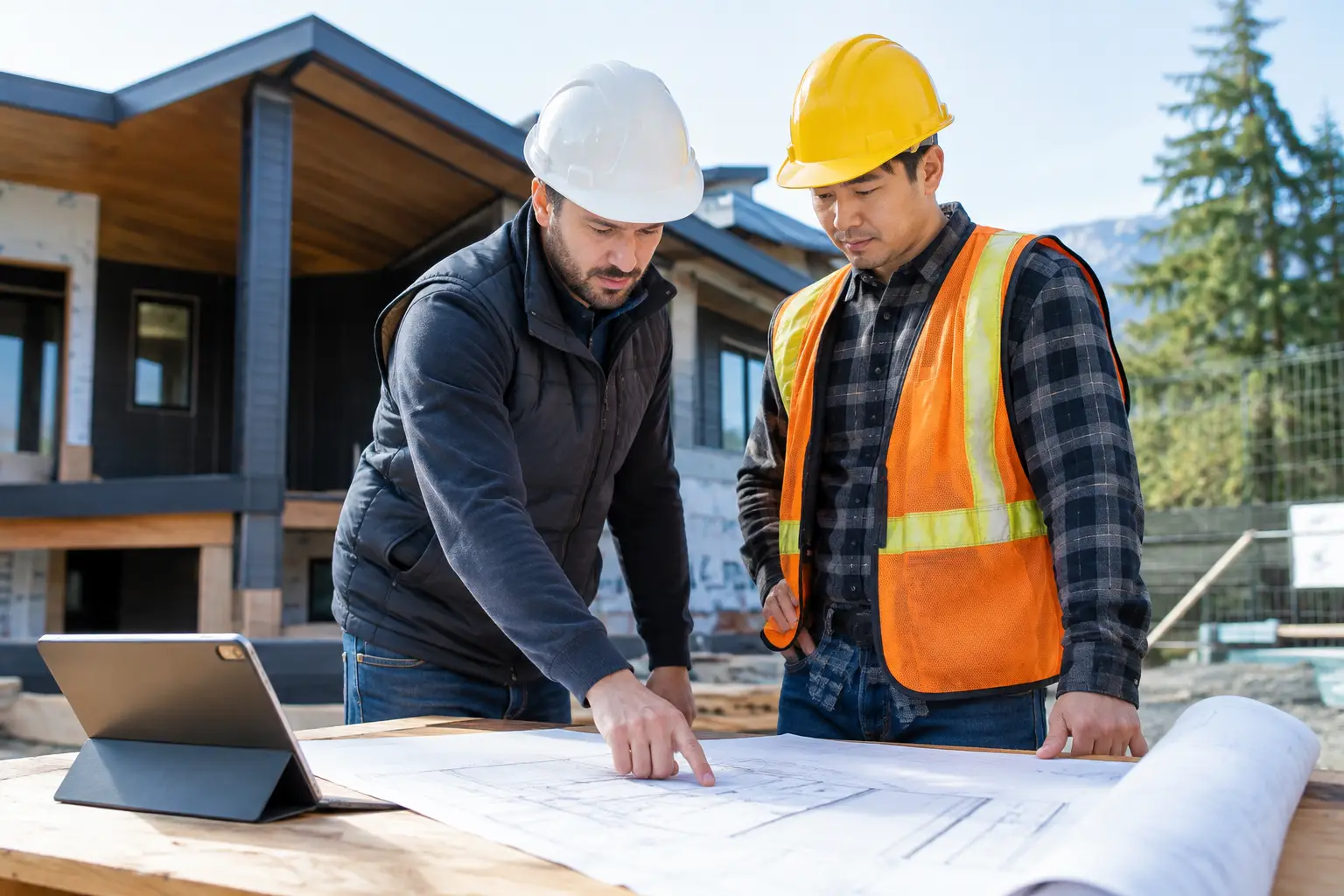

Construction Manager Versus General Contractor
Construction manager versus general contractor: understand roles, cost structures, and accountability to choose the right path for a successful build.
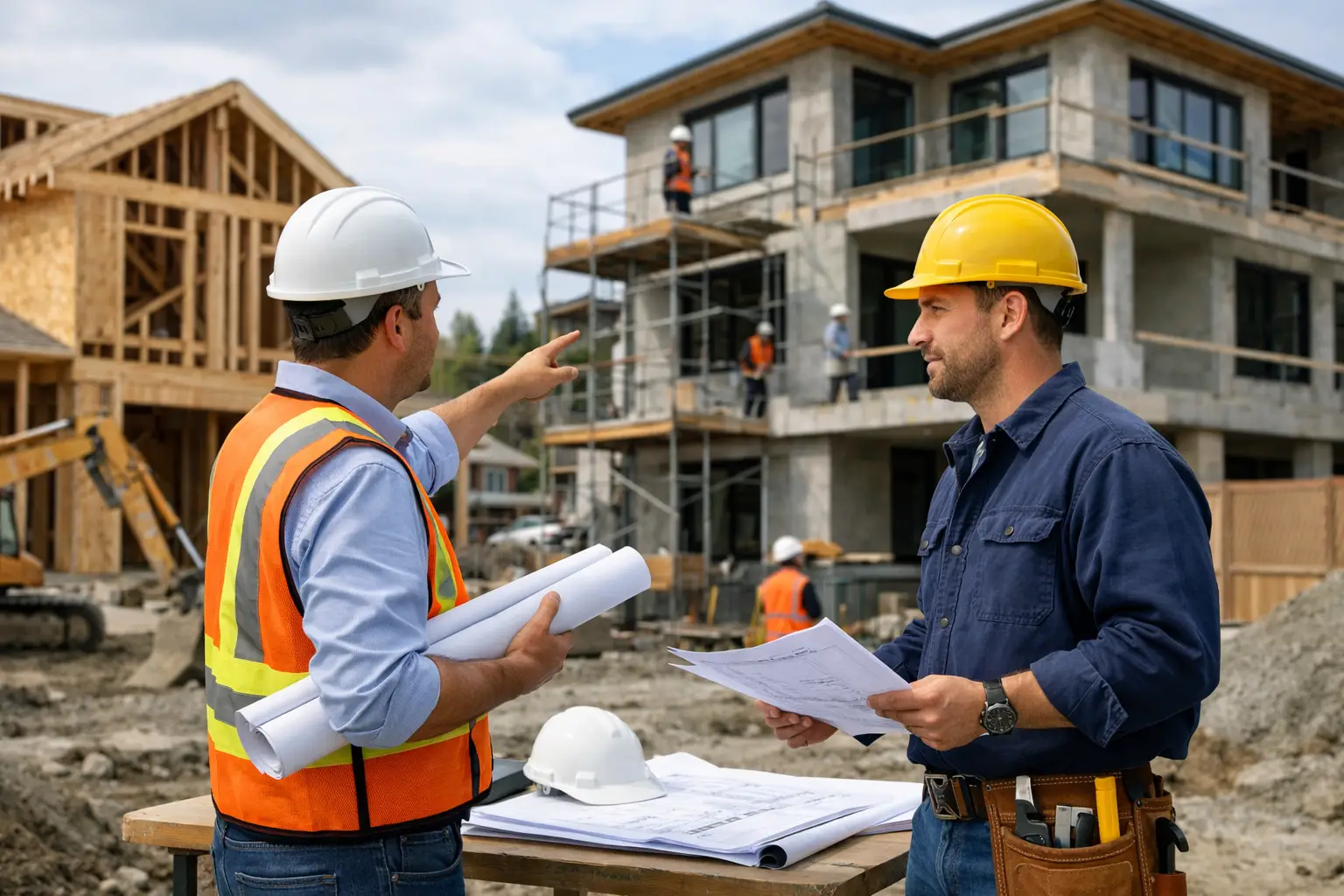
A construction project can look straightforward on paper until real decisions begin: who coordinates design changes, who carries trade contracts, who protects the schedule, and who answers when costs move. The choice between a construction manager versus general contractor shapes those answers long before the first wall comes down or the first footing is poured.
For a custom home, major renovation, commercial buildout, or tenant improvement, either model can work well. The right fit depends on how complete your plans are, how involved you want to be, how much cost certainty you need, and where you want responsibility to sit throughout the project.
Construction Manager Versus General Contractor: The Core Difference
A general contractor is typically hired to deliver the construction work under one primary contract. The contractor coordinates labor, subcontractors, materials, scheduling, site safety, quality control, permits, inspections, and day-to-day problem-solving. The owner has one central point of accountability for getting the work built.
A construction manager takes a broader project-management role. Depending on the agreement, they may support the owner during planning and design, help develop budgets, advise on constructability, coordinate bidding, manage the schedule, and oversee construction. In some arrangements, the construction manager manages the work on the owner’s behalf while the owner holds contracts directly with trades. In others, the construction manager also takes on construction risk and functions much like a general contractor.
That distinction matters. “Construction manager” describes a service approach, but it does not always describe the legal or financial structure of the job. Before comparing proposals, ask exactly who contracts with the trades, who carries insurance, who guarantees the work, and who is responsible if a subcontractor fails to perform.
What a General Contractor Is Responsible For
A full-service general contractor is built for owners who want a single team to lead execution from pre-construction through handover. The contractor reviews plans, develops a construction strategy, sources and coordinates trades, purchases materials, maintains the schedule, manages site conditions, and delivers the completed project.
The strongest general contractors are involved well before construction begins. Early feasibility review, budgeting, design coordination, permit planning, and procurement can prevent expensive surprises after work starts. This is especially valuable on renovations, where existing conditions behind walls or beneath floors may differ from what anyone could see during the initial walkthrough.
With a general contracting model, the owner usually communicates with one project lead rather than separately managing the electrician, plumber, framer, millworker, inspector, and supplier. That does not mean the owner loses visibility. A well-run contractor provides clear updates, explains decisions, documents changes, and keeps the client connected to the work without turning them into the project manager.
For many homeowners and business owners, that central accountability is the main advantage. If a delivery is late, a trade sequence needs to change, or a field condition affects the plan, the general contractor owns the coordination required to keep the project moving.
How Construction Management Works
Construction management can be a strong option when an owner wants a more direct role in the process. A construction manager may be engaged early, often while the design is still developing. Their input can help the design team make practical decisions about budget, phasing, materials, permits, and schedule.
In an agency construction management model, the manager acts as the owner’s representative. The owner may sign separate agreements with subcontractors and suppliers, while the construction manager oversees coordination. This can offer a detailed view of trade pricing and may give a sophisticated owner more control over selection decisions.
That control also creates additional responsibility. When the owner holds the trade contracts, the owner may be more exposed to disputes, defaulting subcontractors, scope gaps, insurance questions, and the administrative work of approving and processing multiple agreements. The construction manager can guide the process, but the contract structure determines who ultimately carries the risk.
Construction management is often a good fit for experienced developers, institutional owners, or clients with internal staff who understand procurement and want to remain closely involved. It can also make sense for complex projects that benefit from early construction advice while design is still underway.
Cost Structure: Transparency and Certainty Are Not the Same
Cost is often the first question owners ask, but comparing a construction manager versus general contractor only by fee can be misleading. A lower management fee does not automatically mean a lower total project cost.
A general contractor may price a project as a fixed sum, a cost-plus agreement, or another defined contract arrangement. The structure should clearly state what is included, what allowances apply, how changes are handled, and what conditions may affect the final cost. A fixed price can provide more certainty when drawings and specifications are well developed, but it may include contingency for unknowns or incomplete information.
A construction manager may charge a management fee on top of direct trade costs. This can make individual costs more visible, especially if the owner is reviewing every subcontractor proposal. However, the final total can remain less certain if the design is incomplete, trade pricing has not been finalized, or project conditions change.
Neither approach is inherently more transparent. Transparency comes from disciplined estimating, clear scopes of work, documented allowances, timely reporting, and honest conversations when the budget and design are out of alignment.
For a kitchen renovation, for example, a client may choose cabinetry before finalizing appliance specifications, countertop material, lighting, and flooring transitions. Those choices affect labor, lead times, and installation details. A dependable project partner will explain those impacts early instead of treating them as a surprise after the budget is approved.
Schedule, Quality, and Decision-Making
Construction schedules depend on more than the calendar. They depend on permits, completed design decisions, material lead times, trade availability, inspections, weather, and the condition of the existing property. The project structure should make it clear who tracks those dependencies and who has authority to resolve conflicts.
Under a general contractor, schedule control is more centralized. The contractor sequences the trades and is responsible for maintaining productive flow on site. This is particularly helpful when work has many interdependent steps, such as a full-home renovation or a commercial tenant improvement that must open on a specific date.
Under construction management, the owner may have a more active role in approving trade awards and major decisions. That can be beneficial when the owner has the time and expertise to participate quickly. It can also slow the work if approvals, selections, or scope decisions are delayed. Construction does not pause neatly while a key material, detail, or payment decision remains unresolved.
Quality follows the same principle. Good craftsmanship requires qualified trades, clear standards, active supervision, and inspections at the right stages. Ask how site quality is checked, how deficiencies are documented, and what happens after handover if an issue appears. Warranty support and post-project responsiveness are part of a contractor relationship, not an afterthought.
Questions to Ask Before You Choose
The best proposal is not simply the lowest number or the most polished presentation. It is the one that makes responsibility clear and gives you confidence in how the team will handle the work when conditions change.
Ask whether the company is providing advisory construction management, construction management at risk, or full general contracting. Confirm who holds subcontractor agreements and permits, who carries site insurance, and who is responsible for safety and workmanship. Review the proposed fee or contract price alongside the scope, allowances, exclusions, contingency, payment schedule, and change-order process.
You should also ask who will be your day-to-day contact. A project can have an excellent estimate and still become frustrating if communication is inconsistent. Look for a team that can explain the process in plain language, provide regular updates, and address concerns directly rather than passing responsibility between the owner, designer, and trades.
When a General Contractor Is Usually the Better Fit
A general contractor is often the better choice when you want one accountable partner to coordinate the entire build. This is common for homeowners undertaking a custom home, basement conversion, kitchen renovation, or whole-home remodel, as well as business owners who need a commercial space completed without managing multiple trade relationships themselves.
It is also a practical choice when the project has a firm completion date, limited owner availability, complicated sequencing, or meaningful unknowns. In these situations, hands-on pre-construction planning and strong trade coordination can protect both the schedule and the client’s peace of mind.
A construction manager may be the better fit when you have substantial project experience, want direct contracting relationships with trades, and have the capacity to make frequent, informed decisions. The model can offer meaningful participation, but it should never leave responsibility unclear.
The most productive construction relationship starts with an honest conversation about how involved you want to be and what you need protected. Whether you choose construction management or a general contractor, look for a team that respects your budget, your timeline, and the trust you are placing in them.