

Construction Contingency Purpose Explained
Understand the construction contingency purpose, how to set the right amount, and how clear approvals protect your budget, schedule, and project vision.
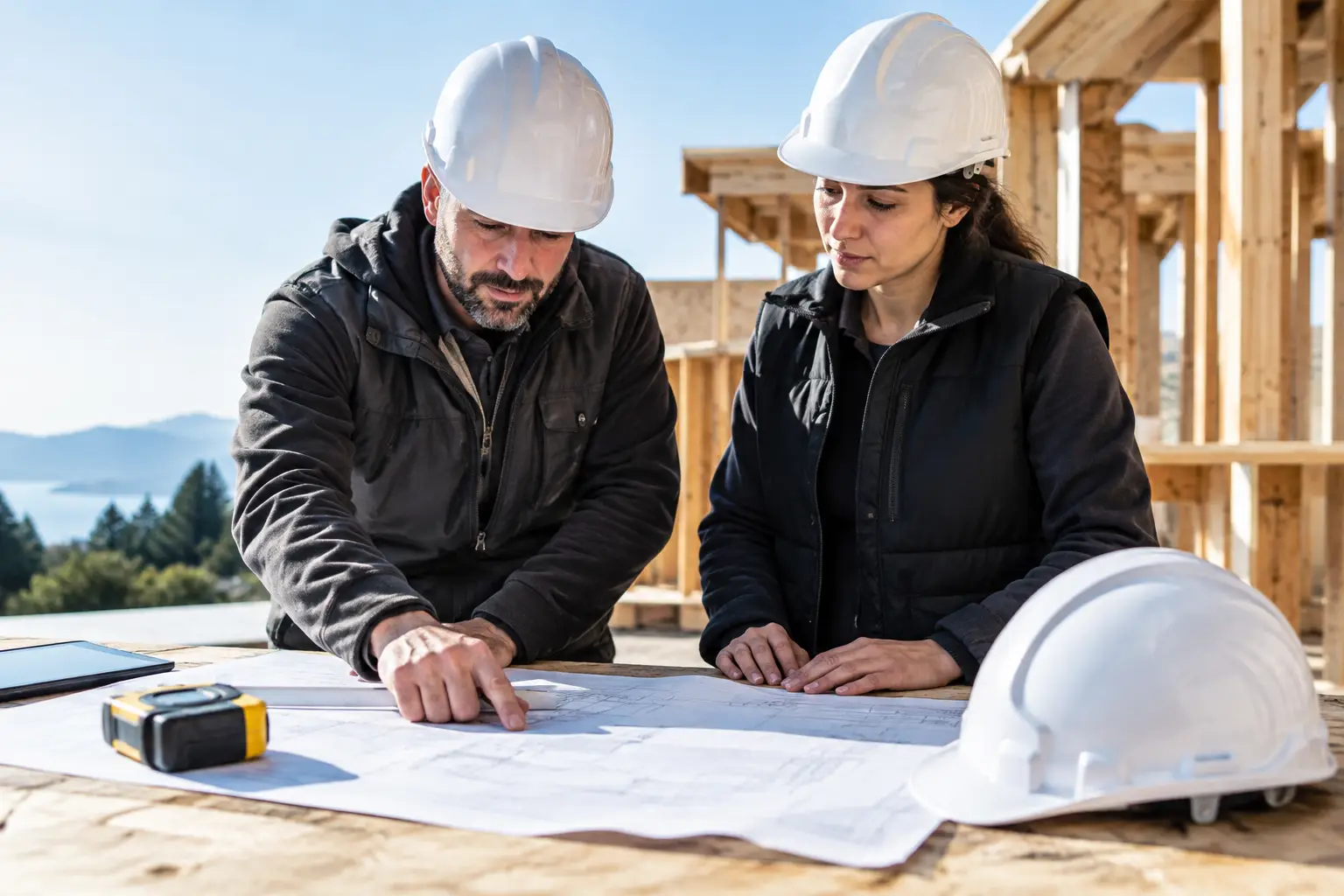
A construction budget can look complete on paper and still face conditions no one could reasonably see during early planning. The construction contingency purpose is to give a project a controlled financial allowance for legitimate unknowns, without turning the budget into a vague estimate or putting the owner under pressure when conditions change.
For a homeowner renovating an older property, that could mean opening a wall and finding outdated wiring, water damage, or structural work that was hidden behind finishes. For a business owner completing a tenant improvement, it may mean an unforeseen site condition, a permit-driven requirement, or a long-lead material substitution. A contingency helps the project respond thoughtfully instead of reacting hurriedly.
What Is the Construction Contingency Purpose?
A construction contingency is money included in the overall project budget for work or costs that cannot be fully defined at the time the budget is prepared. It is not extra profit for the contractor, and it is not a blank check for changes a client simply decides to make during construction.
Its purpose is risk management. A well-managed contingency recognizes that construction involves existing conditions, permit requirements, material availability, coordination between trades, and design decisions that may evolve as work progresses. Setting aside a realistic allowance helps protect the project schedule, quality standards, and working relationship when one of those variables changes.
The key word is controlled. Every use of contingency should be documented, explained, priced, and approved according to the project agreement. If it is never needed, it remains part of the owner’s project funds rather than becoming an automatic expense.
Why Contingency Matters More in Some Projects
Not every project carries the same level of uncertainty. A new construction project on a fully investigated site, with completed drawings and detailed specifications, may need a smaller contingency than a full-home renovation in a 70-year-old house. The more unknowns a project contains at the outset, the more valuable contingency planning becomes.
Renovations are a common example. Before demolition, a contractor can inspect accessible areas, review available records, and ask the right questions. But no one can see every condition inside walls, below floors, or behind old finishes. Responsible planning does not pretend those risks do not exist. It identifies them, discusses their potential impact, and creates a process for handling them if they arise.
Commercial projects can carry different uncertainties. A landlord’s building requirements, municipal comments, fire protection upgrades, accessibility requirements, or existing mechanical capacity can affect the final scope. Early feasibility work and design coordination reduce those risks, but a measured contingency can still provide an appropriate safeguard.
Contingency Is Not the Same as an Allowance
Clients often hear both terms during budgeting, but they serve different purposes.
An allowance is a placeholder for a known item that has not been selected or priced in full. For example, a kitchen renovation may include an allowance for tile, light fixtures, appliances, or cabinet hardware. The item is expected to be part of the work. The final cost changes based on the selections made.
Contingency addresses an unknown condition or requirement. For example, once a bathroom is opened up, the project may reveal damaged subflooring that needs replacement before new finishes can be installed. That work was not necessarily part of the original scope because it could not be confirmed beforehand.
Both should be visible in the budget, but neither should be used to hide uncertainty. Clear estimates distinguish between fixed scope, allowances, exclusions, and contingency so clients understand what their investment covers from the start.
How Much Construction Contingency Should You Plan For?
There is no universal percentage that fits every project. A commonly discussed range is 5% to 10% of construction costs, but the right amount depends on the project’s conditions and the quality of information available before work begins.
A straightforward interior refresh with limited demolition, finalized selections, and a clearly defined scope may need less. A major renovation involving older plumbing, structural changes, additions, excavation, or extensive permit review may justify more. Projects with incomplete drawings or decisions still pending also carry more financial uncertainty.
Rather than choosing a percentage by habit, consider the specific risks. Are there inaccessible areas that could conceal damage? Has the property been assessed for hazardous materials where applicable? Are engineering details complete? Are key materials selected and available? Is the project tied to a fixed opening date or financing limit? Honest answers lead to a more useful budget.
A larger contingency is not automatically a sign that a contractor is uncertain. In many cases, it reflects a contractor being realistic about the work and protecting the owner from an overly optimistic number that will not hold up once construction begins.
A Good Contingency Process Protects the Client
The value of a contingency depends on how it is managed. A responsible process starts before construction, with clear pre-construction planning. The contractor should review drawings, inspect the property, coordinate with designers and consultants, identify risks, and clarify details before crews arrive on site.
When an unforeseen condition is discovered, the next step should be communication, not assumption. The client should be shown what was found, why it matters, what options are available, and how each option affects cost and schedule. In many cases, photos, trade input, and a written change proposal help make the decision clear.
A sound approval process usually includes four elements:
- (01)A clear description of the condition or issue discovered.
- (02)The recommended solution and any reasonable alternatives.
- (03)A documented cost and expected schedule impact.
- (04)Client approval before the additional work proceeds, except where immediate action is necessary to protect safety or prevent further damage.
This structure keeps the contingency accountable. It also gives owners the information they need to make decisions that align with their priorities, whether that means preserving the schedule, controlling costs, or investing in a longer-term solution.
What Contingency Should and Should Not Cover
Contingency should cover genuinely unforeseen conditions or necessary work that falls outside the confirmed original scope. Examples can include concealed rot, unexpected foundation repairs, code-related upgrades triggered by conditions discovered during work, or a required adjustment to accommodate existing building systems.
It should not quietly absorb errors that should have been caught through competent estimating, poor workmanship, or a contractor’s failure to manage the agreed scope. Nor should it replace a formal change order when an owner chooses to expand the project, upgrade materials, move walls, or add features after construction begins. Those are client-driven scope changes and should be priced separately.
There can be gray areas. If drawings are incomplete or an owner asks the team to proceed before all selections are finalized, the line between an allowance, a scope change, and contingency may require discussion. The best response is not to argue over labels. It is to return to the contract, document the facts, and agree on a fair path forward before work continues.
How to Review Contingency Before Signing a Contract
Before committing to a construction agreement, ask how contingency is calculated, who holds it, and how it can be used. You should understand whether it is included within the stated project budget or identified as a separate owner reserve. The answer may vary based on contract structure and project type, but it should never be unclear.
Ask your contractor to explain the biggest project risks they see. A thoughtful answer is more helpful than a promise that nothing will go wrong. You should also ask how unused funds are handled, how changes are approved, and how the team will communicate if a discovery affects the schedule.
At Rely Construction, this kind of early conversation is part of treating a project as a shared responsibility. Clear planning cannot remove every unknown, but it can prevent surprises from becoming confusion.
Contingency Supports Better Decisions, Not Bigger Bills
A contingency is most effective when it is planned openly and used sparingly. It gives a project room to address real conditions without sacrificing necessary work, rushing decisions, or compromising craftsmanship to stay within an unrealistic number.
The goal is not to spend the contingency. The goal is to build with enough foresight that, if the unexpected appears, everyone has a clear and respectful way to move forward.