
Best New Construction Home Inspectors
Learn how to choose the best new construction home inspectors, what they check, when to hire one, and how they help protect your build.
A brand-new home can look flawless on walkthrough day and still have issues behind the walls, under the roof, or in the finishing details. That is why many owners start asking about the best new construction home inspectors before closing, not after they move in and find problems the hard way.
New construction inspections are different from inspections on older homes. The question is not whether the home is worn out. It is whether the work was completed properly, whether systems were installed to code, and whether small misses today could become expensive repairs later. Even with a reputable builder and good trades on site, construction involves many moving parts. Details can be missed.
What the best new construction home inspectors actually do
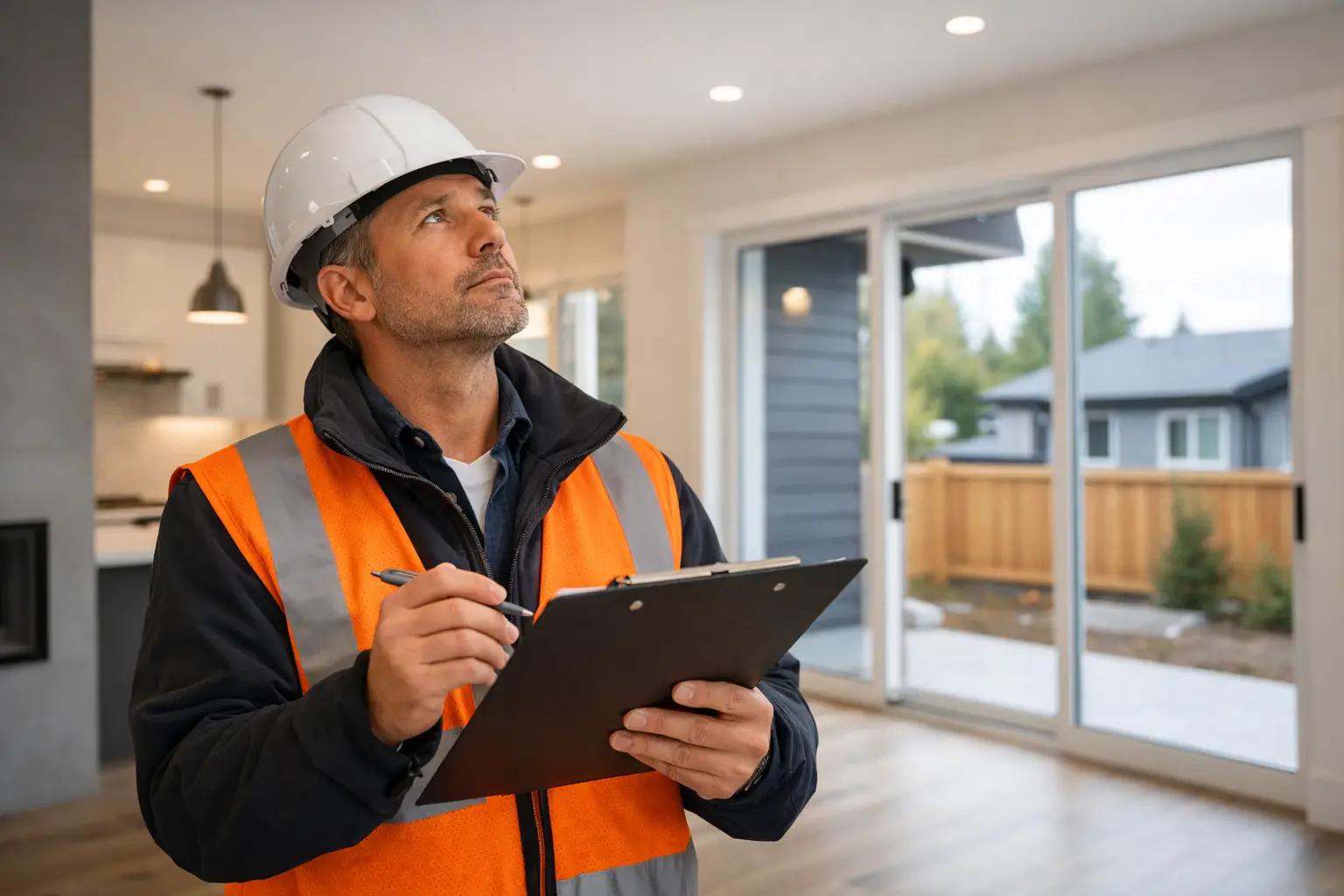
The best new construction home inspectors are not there to create conflict. They are there to give you an objective view of the home at a moment when corrections are still easier to address. A strong inspector looks beyond fresh paint and clean finishes. They assess structure, roofing, exterior drainage, windows, insulation, HVAC performance, electrical work, plumbing fixtures, attic conditions, and signs of incomplete or rushed workmanship.
In a new build, they are also watching for issues that do not always stand out to a buyer during a standard walkthrough. That can include improper grading around the foundation, missing flashing, poor caulking at key penetrations, disconnected ductwork, reversed hot and cold plumbing, unsafe electrical terminations, or doors and windows that are out of alignment. None of these problems automatically means the whole project was poorly built. It usually means the home needs a final layer of independent review.
A good inspector also understands the difference between a cosmetic deficiency and a meaningful defect. That matters. You want a report that helps you prioritize real concerns, not one that overwhelms you with minor observations that distract from bigger issues.
How to identify the best new construction home inspectors
Choosing an inspector is not just about finding someone with a license and a flashlight. New construction requires a specific mindset. The inspector should be comfortable evaluating a home that appears complete while still understanding how sequencing, trade coordination, and finish schedules can affect quality.
Experience matters, but relevant experience matters more. An inspector who mostly works on aging resale homes may still be competent, but the best fit is someone who regularly inspects new builds and understands modern construction methods, current code expectations, and common builder warranty issues.
Look closely at how they communicate. A strong inspector should explain findings in plain language, distinguish between recommendations and serious defects, and produce a report that is organized enough for you to discuss with your builder. If their sample report is vague, alarmist, or hard to follow, the inspection process may create more confusion than clarity.
Certifications and insurance are basic checkpoints, but they should not be the only ones. Ask whether the inspector carries errors and omissions insurance, whether they perform phased inspections, and how much time they typically spend on site for a new construction home. If the answer sounds rushed, that is a concern. A careful inspection takes time.
Reputation also matters. The best new construction home inspectors tend to earn trust because they are thorough, balanced, and professional. They do not turn every issue into a crisis, and they do not gloss over defects to keep things comfortable. That balance is valuable when you are trying to protect your investment without turning the final stretch of a project into a standoff.
The best time to hire a new construction inspector
Many buyers assume the inspection happens once, right before closing. That is better than skipping it, but it is not always the best approach. If possible, inspections are most effective when they happen at key phases.
Pre-drywall inspections
A pre-drywall inspection happens after framing, rough electrical, plumbing, and HVAC are in place, but before insulation and drywall cover everything up. This is one of the most valuable moments to catch framing concerns, rough-in issues, missing blocking, incomplete fire stopping, and installation mistakes that will be harder to verify later.
Final inspections before closing
The final inspection happens when the house is substantially complete. At this stage, the inspector reviews visible systems and finishes, tests fixtures and outlets, checks appliances if installed, and looks for incomplete work or quality issues that should be corrected before handover.
Warranty inspections
Many new homes come with a builder warranty period. An inspection near the end of that period can help identify settling cracks, moisture concerns, drainage issues, or system defects that were not obvious at possession. This is especially helpful because some issues only appear after the home has gone through a full season cycle.
If budget limits you to one inspection, the final inspection is usually the most practical choice. If you can do two, pre-drywall and final often give the best coverage.
What separates a useful inspection from a disappointing one
Not all inspection reports are equally helpful. Some are technically correct but poorly organized. Others include so many low-level notes that the key issues get buried. The right inspector gives you a report you can actually use.
A useful report includes clear photos, specific descriptions, and language that helps you understand severity. It should tell you what was observed, why it matters, and what kind of follow-up is appropriate. It should also be reasonable. Construction is not perfect, and every home will have some punch-list items. The goal is not perfection on paper. The goal is to identify workmanship concerns, safety issues, code-related concerns, and deficiencies that should be addressed before they become your responsibility.
This is where builder experience can help owners interpret inspection results. A contractor who works hands-on in construction understands that some findings are straightforward warranty fixes, while others may point to deeper execution issues. Context matters. The best outcomes usually happen when everyone stays focused on resolution rather than blame.
Questions worth asking before you hire
Before booking an inspector, ask how many new construction homes they inspect each year and whether they offer phased inspections. Ask how long the inspection will take, what their report includes, and when you will receive it. Ask whether they use thermal imaging, moisture meters, or drone photography when appropriate, though tools alone do not guarantee quality.
You should also ask how they handle communication. Will they walk you through major findings after the inspection? Will they explain what is urgent versus what is routine? If you are not construction-savvy, that conversation is important.
Another practical question is whether they are comfortable coordinating within a builder’s schedule. New construction timelines can be tight. You want someone thorough, but you also want someone who can work professionally within real project conditions.
A few trade-offs to keep in mind
The most expensive inspector is not automatically the best, and the cheapest one can cost you more later. Price should reflect time, experience, reporting quality, and the complexity of the home.
It also helps to be realistic about limitations. Inspectors are not opening walls or redesigning the home. They are providing a non-invasive assessment based on what is visible and accessible at the time. That still has real value, but expectations should be grounded.
There is also a human side to this process. Some owners worry that hiring an inspector signals distrust. In practice, a professional builder should understand why independent review matters. A well-managed project welcomes clarity. At Rely Construction, we see informed clients as a good thing because clear expectations usually lead to better outcomes and smoother handovers.
Why this decision matters more than many people think
A new home is not just a purchase. It is a long-term investment, a living space, and often the result of years of planning and saving. Small defects caught early are usually easier and less costly to correct. Left alone, they can affect comfort, efficiency, maintenance costs, and peace of mind.
The best new construction home inspectors help you move into your home with more confidence. They are not there to second-guess every trade or nitpick every inch. They are there to give you a clear, independent picture of the work so you can address concerns while the process is still active.
If you are building or buying new, choose an inspector the same way you would choose any important project partner – look for experience, sound judgment, steady communication, and the ability to separate minor imperfections from issues that truly matter. A careful set of eyes at the right time can save a great deal of frustration later.