

Best Kitchen Renovation Upgrades That Pay Off
Plan the best kitchen renovation upgrades for daily comfort, efficient storage, lasting materials, and value with practical guidance for your home.
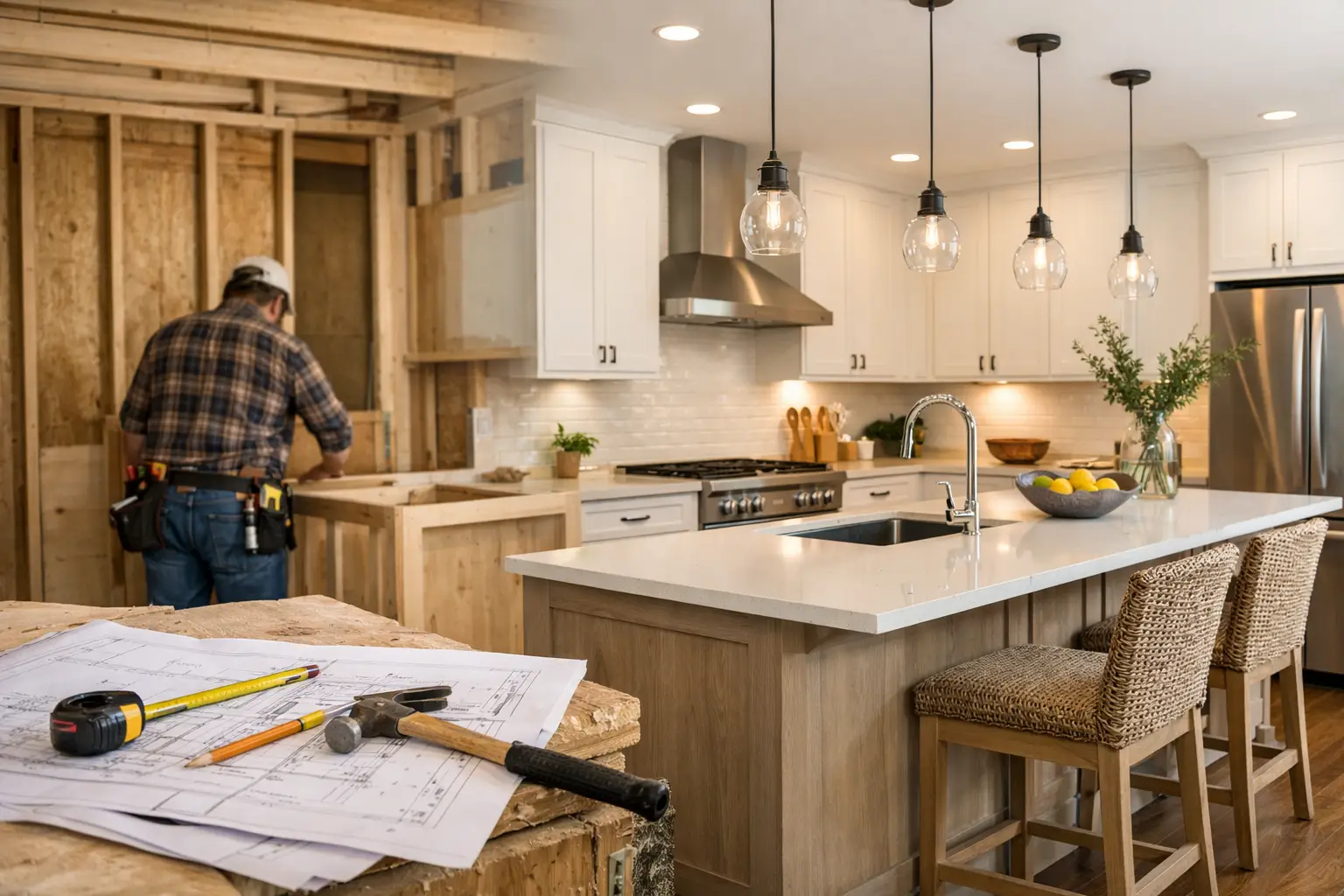
A kitchen can look polished in a showroom and still frustrate the person making breakfast there every morning. The best kitchen renovation upgrades are not simply the most expensive finishes or the latest trends. They are the decisions that reduce daily friction, support how your household actually lives, and continue to feel right after the novelty of a renovation has passed.
For some homeowners, that means creating room for more than one cook. For others, it means finally having enough organized storage, better lighting for food preparation, or durable surfaces that can handle busy family life. A thoughtful renovation starts by identifying what is not working now, then investing where the improvement will be felt every day.
Start With Layout Before Selecting Finishes
Cabinets, countertops, and tile make an immediate visual impression, but layout has the greatest influence on how a kitchen performs. Before choosing materials, consider the route from the refrigerator to the sink, cooktop, pantry, and dining area. Notice where people tend to gather and where traffic cuts through the cooking zone.
An island can be an excellent upgrade when it adds meaningful prep space, storage, or seating without restricting movement. In a smaller kitchen, however, a large island can make the room feel crowded and make appliance doors difficult to open. A peninsula, a narrower worktable, or better perimeter cabinetry may solve the same problem more effectively.
The goal is not to follow a fixed kitchen layout rule. It is to give each task enough space and prevent common bottlenecks. When layout changes involve moving plumbing, gas, or electrical systems, costs can rise quickly. That investment may be worthwhile when it fixes a fundamentally awkward kitchen, but it should be evaluated early during planning and budgeting.
The Best Kitchen Renovation Upgrades Improve Storage
Most kitchens do not lack square footage as much as they lack usable storage. Deep base cabinets often become crowded and difficult to access, while high shelves turn into places where rarely used items disappear. Well-planned cabinetry can change that without making the room larger.
Full-extension drawers are one of the most practical upgrades available. They bring pots, dishes, small appliances, and pantry items into view, reducing the need to reach into dark lower cabinets. Drawer organizers for utensils, spices, knives, and food containers keep frequently used items easy to find rather than allowing them to collect in a single catch-all drawer.
A well-designed pantry is equally valuable. Depending on the room, this may be a walk-in pantry, a tall pull-out cabinet, or dedicated pantry drawers. The right choice depends on the footprint and how much dry goods, serving ware, and small appliances the household stores. A walk-in pantry is not automatically better if it consumes valuable kitchen space and is poorly organized.
Consider including a few purpose-built storage features where they match your habits:
- (01)Pull-out waste and recycling bins near the primary prep area
- (02)Vertical dividers for baking sheets, cutting boards, and trays
- (03)A charging drawer or cabinet for devices that otherwise sit on the counter
- (04)An appliance garage or dedicated cabinet for frequently used countertop appliances
These details are most effective when planned around the items you already own. Taking inventory before the design phase helps ensure cabinet interiors support real routines rather than a generic idea of kitchen storage.
Choose Countertops for Real Use, Not Just Appearance
Countertops work hard. They receive hot pans, spills, knives, school projects, grocery bags, and daily cleaning. The right surface should suit both your design preferences and your willingness to maintain it.
Quartz remains a popular choice because it offers a consistent appearance, broad color selection, and low maintenance. Natural stone brings variation and character that many homeowners value, but some materials require more care and periodic sealing. Porcelain slabs can offer impressive heat and stain resistance, although edge details and fabrication experience matter. Butcher block adds warmth, especially on an island or baking station, but it needs regular attention to prevent damage from water and heavy use.
There is no single best countertop for every kitchen. A household that cooks constantly may prioritize durability and easy cleanup. Someone renovating a historic home may prefer the movement and natural feel of stone. Ask to see full samples in the kitchen’s actual light, and consider how the material will look at the edge, around the sink, and against the backsplash. Those transitions often reveal more than a small showroom sample.
Upgrade Lighting in Layers
A single ceiling fixture cannot do every job in a kitchen. Good lighting should support safe food preparation, comfortable meals, and the atmosphere you want when the kitchen is not in full work mode.
Start with ambient lighting, such as recessed fixtures or a central ceiling installation, to provide balanced overall illumination. Add task lighting where hands are working – under-cabinet lighting over counters is especially valuable because upper cabinets can cast shadows directly onto the prep surface. Decorative pendants above an island or dining area can add character, but they should complement rather than replace functional light.
Dimmers are a small upgrade with a significant effect. They allow bright light for cooking and cleanup, then a softer setting for evening meals or entertaining. A lighting plan should also account for window placement, reflected light from finishes, and the color temperature of bulbs. Consistency matters: mixed light colors can make a carefully selected kitchen palette look off.
Invest in Appliances That Fit Your Cooking Style
Appliance upgrades should begin with function, dimensions, and service access, not brand names. A larger range may be worthwhile for an enthusiastic cook, while a quiet dishwasher can make a bigger difference for an open-concept home. Families who rely on batch cooking may benefit from more refrigeration or freezer capacity. Others may prefer a compact microwave placed away from the main prep zone to reduce congestion.
Ventilation deserves special attention. A properly sized, vented range hood helps remove heat, moisture, odors, and airborne grease. It is one of the less glamorous kitchen upgrades, yet it protects finishes and makes the space more pleasant to use. Recirculating hoods can be appropriate in some situations, but they do not perform the same way as a hood vented to the exterior.
Confirm appliance specifications before cabinets are ordered. Clearance requirements, door swings, electrical needs, and ventilation locations affect the design. This is a common place where early coordination prevents expensive adjustments later.
Make the Sink Area Work Harder
The sink is often the busiest area in the kitchen, especially during meal prep and cleanup. A deeper single-bowl sink can accommodate large cookware more easily, while a divided sink may better suit households that like to separate washing and rinsing. The right configuration depends on how you use it and whether a dishwasher handles most cleanup.
A quality faucet with a pull-down sprayer improves reach and makes rinsing easier. Touchless or touch-activated options can be convenient when hands are messy, though they add electronic components that may require future service. Pair the sink with a practical landing area on both sides whenever possible. Even a beautiful sink becomes inconvenient if there is nowhere to set a hot pan, drying rack, or groceries.
Build in Flexibility for the Years Ahead
The strongest kitchen renovations account for changing needs. This can be as simple as selecting durable cabinet hardware, adding extra outlets where future appliances may be used, or choosing drawers instead of lower cabinets for easier access over time. Wider walkways and thoughtful work zones can make the kitchen more comfortable for children, guests, and aging family members alike.
It is also wise to reserve part of the budget for conditions hidden behind walls. Older homes may reveal outdated wiring, plumbing concerns, uneven framing, or ventilation limitations once demolition begins. A clear pre-construction plan and realistic contingency help protect the project from unnecessary stress when those conditions arise.
At Rely Construction, we see the best results when homeowners make decisions based on daily use, long-term durability, and a clear understanding of the work required behind the finishes. The right kitchen is not one that copies a trend perfectly. It is one that gives your household more room to cook, gather, and enjoy the time spent at home.