
Design Build Comparison for Your Project
A design build comparison helps owners weigh speed, cost clarity, accountability, and design control before committing to a construction project.
A design build comparison is not just about choosing a contract type. It is about deciding how you want decisions to be made when your budget, schedule, and vision are all moving at once. For a custom home, major renovation, commercial buildout, or tenant improvement, the right delivery method can reduce friction before it reaches the jobsite.
The two most common paths are design-build and the traditional design-bid-build model. Neither is automatically better. The strongest choice depends on how defined your project is, how much flexibility you need, and whether you value one accountable team or a more separated design and pricing process.
What Design-Build Means
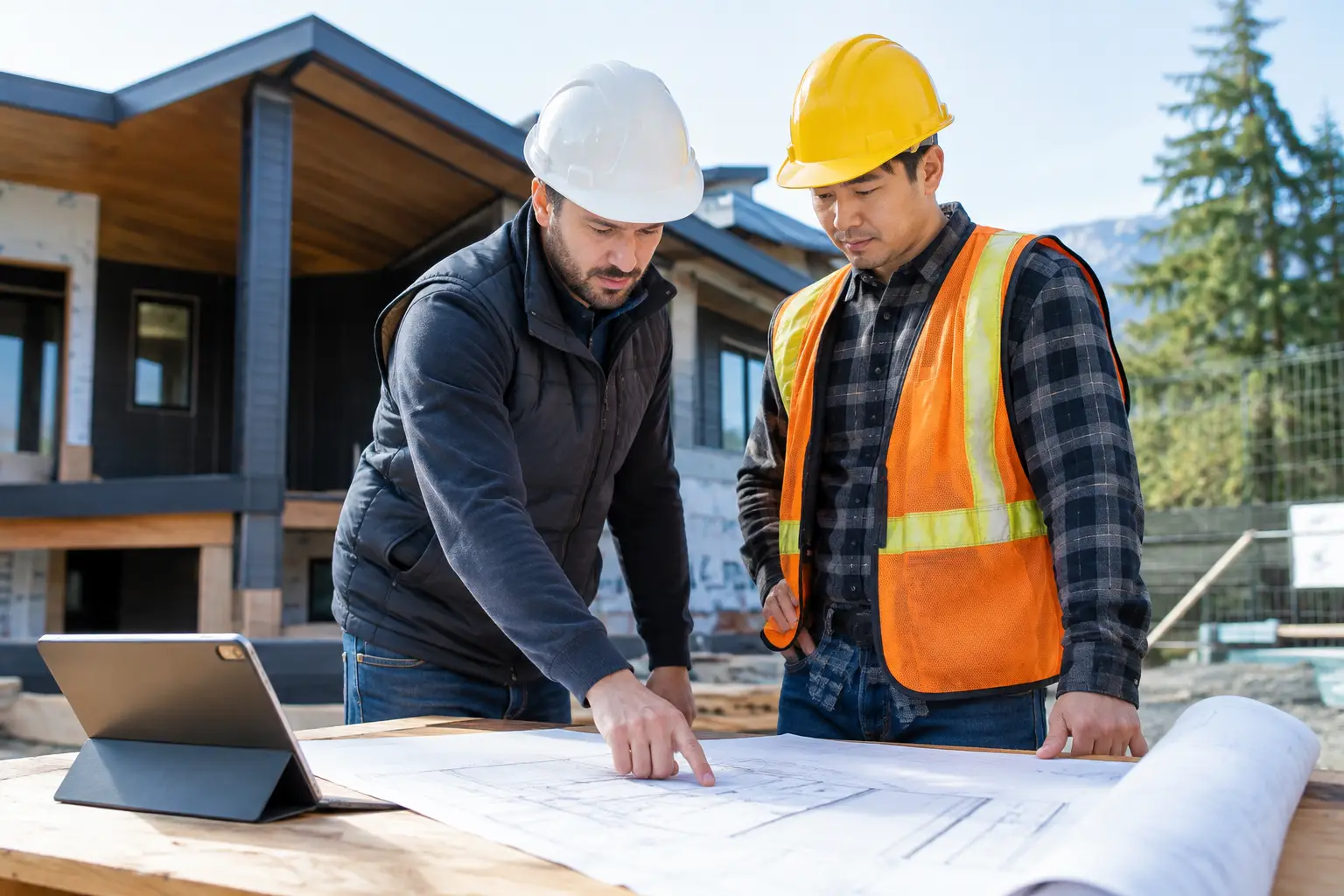
With design-build, the owner works with one team that coordinates both the design and construction sides of the project. The contractor is involved early, often alongside the architect, designer, engineers, and key trades. That means feasibility, scope, budget, constructability, permits, and scheduling are discussed together rather than in separate stages.
The practical benefit is continuity. The people responsible for building the work have a chance to identify concerns while plans are still being developed. A structural detail that is expensive to build, a material with a long lead time, or a layout that affects mechanical systems can be addressed before construction pricing is locked in.
For clients, this model usually creates one primary point of accountability. Instead of sorting through disagreements between a designer and builder, you have a team responsible for coordinating the path from concept through handover.
How Traditional Design-Bid-Build Works
In a traditional design-bid-build project, the owner first hires an architect or designer to complete the plans. Once the drawings and specifications are sufficiently detailed, contractors are invited to bid on the work. The owner then selects a contractor, and construction begins after the agreement is finalized.
This approach separates design from construction. It can work well when the owner wants to retain a particular architect, when the scope is highly defined, or when a formal competitive bidding process is required. It can also give owners a clear opportunity to compare proposals from several builders based on the same documents.
The challenge is that drawings can look complete without fully resolving every cost or construction question. If a contractor identifies missing details, site conditions, coordination conflicts, or allowances that do not reflect current pricing, those matters may need to be addressed after bidding. Changes are manageable, but they can affect cost and schedule when they are discovered late.
Design Build Comparison: The Differences That Matter
The real difference is not simply who holds the contracts. It is when construction knowledge enters the conversation and how the team handles the inevitable decisions that arise during a project.
Budget clarity and cost control
Design-build often gives owners earlier cost guidance because the construction team is estimating as the design develops. Early budgets are still estimates, not guarantees, but they are informed by current labor rates, site requirements, trade input, and material availability. When a choice exceeds the working budget, the team can explore alternatives before the plans are finalized.
Traditional bidding can produce a firm price later in the process, after design is complete. That may suit an owner who has a fully documented scope and wants direct bid comparisons. However, if bids come back above budget, the project may need redesign, scope reductions, or a new round of pricing. The apparent savings of the lowest initial bid should also be reviewed carefully. Owners need to understand exclusions, allowances, qualifications, and whether each bidder has priced the same scope.
Schedule and decision-making
Design-build can overlap parts of design, permitting, procurement, and preconstruction planning. For example, early site work, long-lead material planning, or permit coordination may begin while certain design details are still being finalized. This does not mean rushing into construction. It means organizing the work so that critical decisions happen at the right time.
Design-bid-build is more sequential: design, bid, then build. That structure can feel straightforward, but it may add time when drawings require revisions after contractor input or when bidding needs to be repeated. For a business preparing to open in a new space, or a family coordinating a move around a renovation, those added weeks can matter.
Accountability and communication
In design-build, one integrated team owns the coordination between the design intent and the construction plan. There are still consultants, approvals, and client decisions, but the owner is less likely to be placed in the middle of competing viewpoints. Clear communication remains essential, especially around selections, changes, and budget approvals.
In the traditional model, the architect or designer and contractor have separate roles and contracts. That can provide useful checks and balances, particularly on complex projects with detailed design oversight. But when an issue arises, responsibilities may be less direct. The owner may need to coordinate conversations between parties to determine whether the issue is a design matter, pricing matter, or construction matter.
Design control and flexibility
A common concern is that design-build limits creativity. It should not. A strong design-build team protects the owner’s vision while bringing practical construction knowledge to the table. The difference is that design decisions are tested against budget, permitting, maintenance, and buildability as they are made.
Traditional design-bid-build may be the better fit when design authorship is the owner’s highest priority and the selected architect has already developed a detailed, independent package. It can also be appropriate for projects where the owner wants a specific design team to lead the process before engaging a builder.
The key is to distinguish between thoughtful design freedom and late-stage uncertainty. A beautiful concept still needs a realistic path to construction.
When Design-Build Is Often the Better Fit
Design-build tends to serve owners well when a project has many moving parts. A full-home remodel, custom home, basement conversion, kitchen renovation involving structural changes, or commercial tenant improvement may require close coordination among permits, trades, existing conditions, and material selections.
It is especially useful when you want guidance early. Perhaps you know the goals for your space but need help determining what is feasible on the site, what the budget can support, or how to phase work around a business operation. Bringing a builder into the conversation early can prevent plans from moving too far ahead of the practical realities.
This model also suits clients who value one team to call throughout the project. A hands-on contractor-partner can coordinate schedules, procurement, quality checks, and change decisions while keeping the owner informed in plain language.
When Traditional Bidding May Make Sense
Traditional bidding remains a sound option in the right circumstances. If you already have complete construction documents, a well-defined scope, and a design professional you want to retain separately, obtaining competitive bids can be a reasonable next step.
It may also fit projects with formal procurement requirements, such as certain institutional or larger commercial work. In those cases, comparable bids and a clearly separated selection process may be required by policy or financing conditions.
Even then, do not evaluate proposals by bottom-line price alone. Ask how the contractor plans to manage the site, protect occupied areas, handle permits, coordinate subcontractors, communicate changes, and support the project after completion. The lowest number can become the most expensive choice if important work was excluded or project management was underpriced.
Questions to Ask Before You Choose
Before selecting either path, have an honest conversation about the decisions that matter most to you. Are you working toward a firm opening date, move-in date, or financing deadline? Is your budget fixed, or can it adjust if the design evolves? Do you have detailed plans already, or are you still defining the project? How much time do you want to spend coordinating separate consultants and contractors?
You should also ask prospective teams how they develop budgets, document scope, manage change orders, select trades, report progress, and handle warranty concerns. Good answers should be specific. You deserve to know who is responsible for what, when approvals are needed, and how concerns will be addressed before work begins.
At Rely Construction, the goal is to make those conversations clear early, when clients still have the most control over cost, timing, and outcome.
Choose the Process That Supports Your Priorities
The best project delivery method is the one that gives you confidence in the people, information, and decisions guiding the work. If your project needs early budget input, coordinated problem-solving, and one accountable team, design-build may offer a more direct path. If you have a finished design package and need a formal competitive process, traditional bidding may be appropriate.
Whatever route you choose, look for a team that listens carefully before making promises. Construction is personal, whether you are creating a home, rebuilding part of one, or investing in the space where your business will grow. A clear process and honest partnership make room for better decisions long before the first wall comes down.