
What Is Commercial Contracting? A Clear Guide
What is commercial contracting? Learn how a commercial contractor plans, prices, permits, and delivers a business space with clear accountability on site.

A retail opening date, a lease commencement deadline, a growing team that needs more room – commercial construction is rarely just a building project. It is a business decision with real consequences for revenue, operations, staff, and customers. So, what is commercial contracting? It is the professional management and construction of spaces used for business, from early planning through final handover.
A commercial contractor brings together the people, information, materials, permits, and fieldwork required to turn a business need into a finished space. That may mean building a new office, renovating a restaurant, converting a warehouse, updating a medical clinic, or completing a tenant improvement for a retail location. The work is physical, but the value of a good contractor is also in the planning, coordination, and accountability behind it.
What Is Commercial Contracting in Construction?
Commercial contracting is the process of delivering a commercial construction project under a defined agreement between the property owner, tenant, developer, or business operator and a general contractor. The agreement sets expectations for the scope of work, price, schedule, responsibilities, payment process, and how changes will be handled.
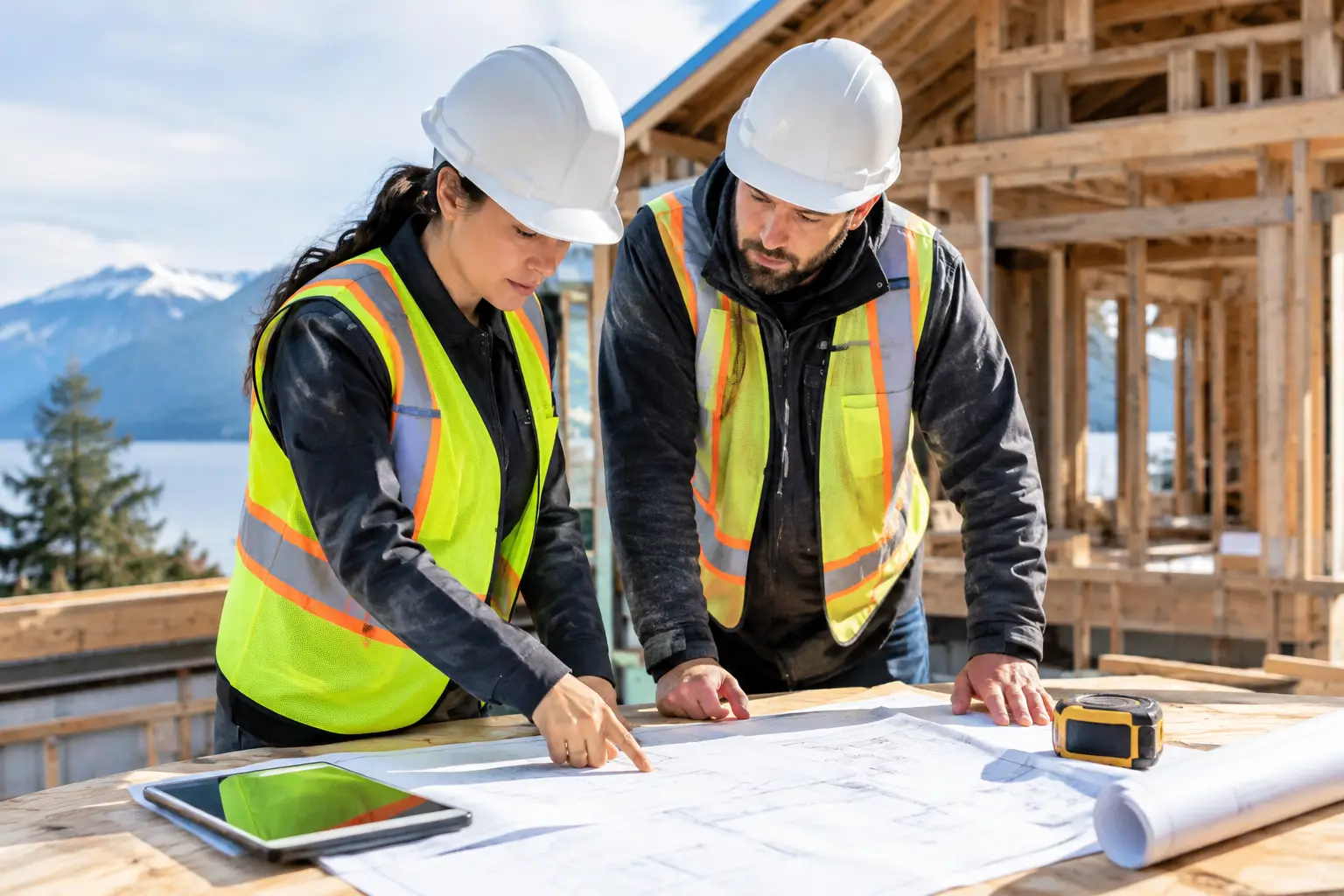
In practical terms, the general contractor takes responsibility for organizing the construction process. They may work with architects, engineers, interior designers, landlords, municipal reviewers, suppliers, and specialized trades such as electricians, plumbers, HVAC technicians, drywall installers, and millworkers. Their job is not simply to hire subcontractors. It is to keep all of those moving parts aligned with the project’s approved plan.
The word “commercial” covers a broad range of projects. A straightforward office refresh has different requirements than a restaurant buildout with commercial kitchen equipment, ventilation, fire suppression, and health approvals. A clinic may require accessibility considerations, specialized plumbing, infection-control measures, or carefully planned patient flow. The core process is similar, but the level of planning and coordination depends on the use of the space.
Commercial contracting can also refer to the legal and procurement side of construction contracts. For a business owner preparing to build or renovate, however, it most often means engaging a contractor to manage and construct the project responsibly.
The Contractor’s Role From Concept to Completion
The strongest commercial projects are decided well before crews arrive on site. Early conversations should clarify what the business needs the space to do, what the available budget is, how quickly the space must open, and which conditions are fixed versus flexible.
A contractor can help assess whether a proposed location is suitable before a lease is finalized or a design is fully developed. This feasibility stage may identify concerns with existing electrical capacity, plumbing locations, structural limitations, ceiling height, accessibility, fire protection, loading access, or local approval requirements. Finding those issues early gives an owner more choices. Finding them after demolition has started usually means more cost, delay, or compromise.
Once a direction is set, the contractor supports design coordination and budgeting. Drawings are reviewed for constructability, long-lead materials are identified, and trade pricing is gathered. This is where a client should receive clear information about what is included, what has been assumed, and what may still be unknown.
During preconstruction, the contractor develops a schedule, confirms procurement needs, plans site logistics, coordinates permits, and sequences the trades. In an occupied building, this may also involve noise restrictions, after-hours work, elevator bookings, dust control, security procedures, and coordination with property management. These details can seem minor until they stop work for a day.
Construction execution is the most visible phase, but it depends on the work done before it. The contractor oversees site safety, quality control, trade coordination, deliveries, inspections, progress tracking, and communication with the client. At the end, they coordinate deficiencies, final inspections, closeout documents, warranties, and handover so the space is ready to operate.
Commercial Builds and Tenant Improvements
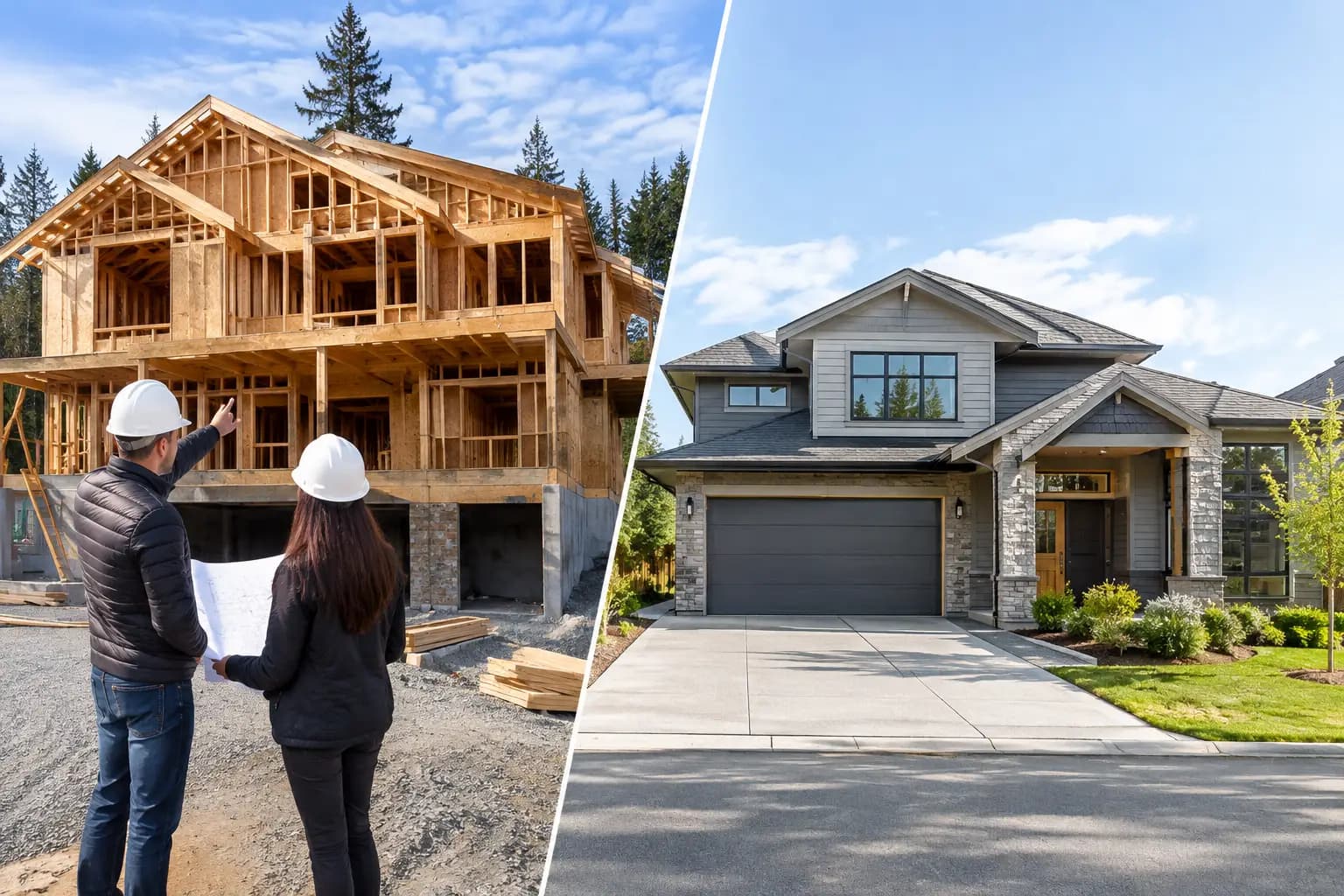
Commercial contracting generally falls into two categories: new construction and tenant improvements.
A new commercial build begins with a site or an undeveloped shell and may include foundations, structure, exterior systems, utilities, and complete interior construction. These projects typically involve more extensive design coordination, permitting, and long-term scheduling.
A tenant improvement, often called a TI or buildout, adapts an existing commercial space for a new tenant or business use. The space may be a bare shell, a former business location, or an office that needs reconfiguration. Typical work can include partitions, flooring, ceilings, lighting, plumbing, HVAC modifications, millwork, washrooms, storefront changes, and finishes.
Tenant improvements can look simpler than new construction, but existing conditions create their own risks. Hidden damage, outdated systems, limited access, landlord standards, and incomplete building records can affect the final scope. A careful site review and transparent allowance structure help prevent surprises from being buried in a low initial number.
How Commercial Construction Contracts Affect Cost and Risk
The contract type matters because it determines how pricing, unknowns, and changes are managed. There is no single best option for every project.
A fixed-price or lump-sum contract provides one agreed price for a clearly defined scope. It can give a client confidence in the budget, provided the drawings and specifications are complete. If major details are missing, contractors must either include allowances or price in contingency for uncertainty. A lower lump-sum bid is not necessarily a better bid if it leaves important work out.
A cost-plus contract is based on the actual cost of labor, materials, and subcontractors, plus an agreed fee for contractor management and overhead. It can be useful when the scope is still developing or existing conditions are difficult to predict. The trade-off is that the owner needs good reporting, documented approvals, and confidence in the contractor’s cost control.
A guaranteed maximum price, or GMP, sets a ceiling price while allowing some flexibility within the agreed scope. It may be appropriate when design and pricing are being finalized in stages. Its effectiveness depends on defining what is included, how savings are handled, and what happens when the client requests changes.
No contract format eliminates the need for communication. Changes are common in commercial work, whether they result from revised business needs, landlord requirements, permit comments, unavailable materials, or conditions uncovered behind a wall. The right process is to identify the impact before proceeding whenever possible: what is changing, why it is needed, what it will cost, and how it affects the schedule.
What a Reliable Commercial Contractor Should Provide
A contractor should make a complex process easier to understand, not harder. Before selecting one, look beyond the headline price and ask how the project will be managed day to day.
You should expect a defined scope, a realistic schedule, a clear payment structure, and a practical explanation of exclusions and allowances. You should also know who your point of contact is, how often you will receive updates, and how decisions or changes will be documented. For a business owner, timely answers are not a courtesy. They are part of protecting an opening date and a budget.
Experience with the project type matters as well. A contractor familiar with commercial renovations understands the importance of coordinating inspections, maintaining safe work areas, protecting existing finishes, and working around building rules. Strong relationships with qualified local trades can also improve scheduling and accountability when a detail needs attention.
Quality assurance should continue through the final stages. A proper handover includes a walkthrough, resolution of outstanding items, operating information where applicable, and warranty support after the space is in use. The project is not truly complete because the last tool leaves the site. It is complete when the client can use the space with confidence.
Planning Questions to Answer Before You Build
Before requesting a proposal, it helps to be clear about your priorities. What must the space accomplish on opening day? Which features are essential, and which could be adjusted if costs rise? Is the schedule driven by a lease date, seasonal demand, financing, or a planned expansion?
It is also wise to confirm who controls the property. Tenants often need landlord approval before altering mechanical systems, storefronts, signage, or common building elements. Owners should consider whether the planned layout will serve future tenants as well as the current one. These decisions influence design, cost, and long-term value.
Commercial construction involves many decisions, but clients should not have to carry every detail alone. A dependable contractor provides the visibility to make informed choices while taking ownership of the coordination required to move the work forward.
The best time to involve a commercial contractor is before assumptions become expensive. Bring your business goals, your site information, and your budget range to the conversation. A thoughtful early review can turn a demanding construction project into a space that supports your business from its first day of operation.