
Custom Homes Versus Spec Homes: Which Fits You?
Custom homes versus spec homes offer different paths to ownership. Compare cost, timing, design freedom, and risk before choosing how to build wisely.
A home purchase can look straightforward on paper until you are deciding between a lot, a floor plan, a finish package, and a move-in date. Custom homes versus spec homes is not simply a question of new construction. It is a decision about how much control you want, how much time you can invest, and where you are comfortable making trade-offs.
A well-built home can come from either path. The better choice depends on your household, your budget structure, your timeline, and the level of involvement you want throughout the project.
Custom Homes Versus Spec Homes: The Core Difference
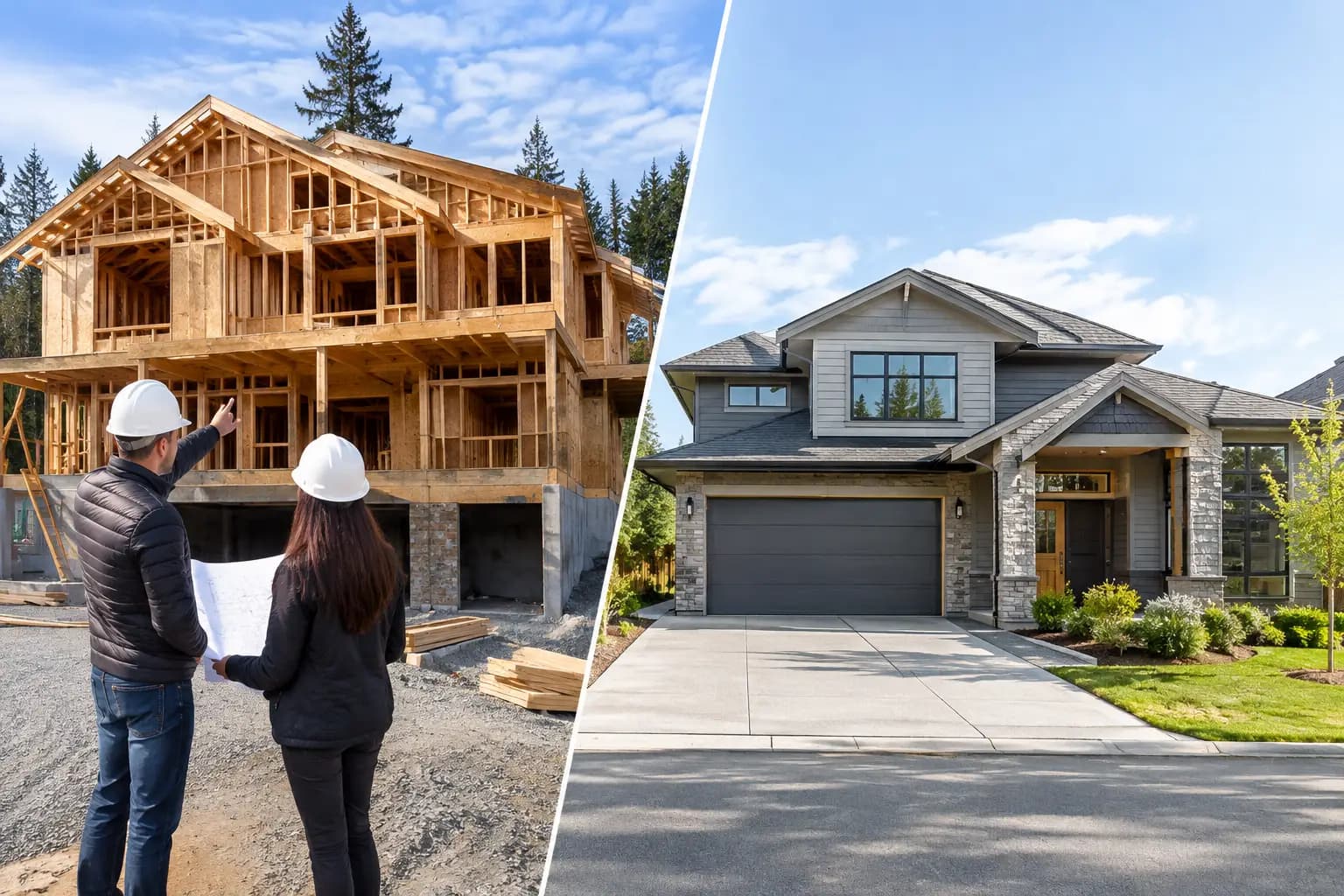
A custom home is planned and built around a specific client, site, and set of priorities. You may start with a vacant lot or an existing property that will be rebuilt. The home’s layout, exterior style, materials, systems, and finishes are selected to suit your needs, with decisions made during design and construction.
A spec home, short for speculative home, is built by a developer or builder before a buyer is committed. The builder selects the lot, design, features, and finishes based on what they believe will appeal to the local market. Depending on when you purchase, you may be able to choose a few finishes or upgrades, but the overall plan is generally already set.
That distinction affects nearly every part of the experience. A custom project gives you more influence over the result. A spec home usually offers a clearer path to occupancy, with fewer decisions and a more defined purchase process.
When a Custom Home Makes Sense
A custom home is often the right fit when the property itself matters as much as the house. Perhaps you own a lot with a view, have inherited family land, or want to replace an older home in a neighborhood you already love. In those cases, designing for the site can make a meaningful difference in privacy, daylight, access, outdoor living, and long-term functionality.
It also makes sense when your needs do not fit a standard plan. A growing family may need bedrooms grouped in a particular way. Someone working from home may need a quiet office separate from the main living area. Multigenerational households may prioritize a main-floor suite, wider circulation paths, or a secondary kitchen. These are not minor details when you expect to live in the home for many years.
Customization does not have to mean excess. It can mean putting money where it has the most daily value: better storage, a practical mudroom, durable flooring, higher-performing windows, or a kitchen layout that works for how you actually cook and gather. The process gives you an opportunity to make informed choices rather than accepting features that are merely standard.
The trade-off is responsibility. Custom projects require more decisions, more planning, and more patience. You will need to consider zoning, site conditions, permit requirements, utilities, design coordination, and construction pricing. A dependable contractor can guide those steps, but the process still benefits from active client participation and clear priorities.
Budgeting for a Custom Build
A custom home budget should begin before final drawings are complete. Early feasibility and cost planning help determine whether the desired size, design complexity, and finish level align with the available investment. Waiting until permits are ready to discuss cost can lead to difficult redesigns or delayed decisions.
The total budget includes more than construction. Depending on the property, it may include land acquisition, demolition, surveying, engineering, permits, utility work, landscaping, financing costs, and a contingency for conditions that cannot be fully known at the beginning. Older urban lots, sloped sites, and properties with limited access can require additional planning and expense.
Transparency matters here. A realistic budget is not the lowest early number. It is a clear picture of what is included, what is still being developed, and what factors could change the cost. That clarity allows you to protect the elements that matter most instead of making rushed compromises late in the project.
When a Spec Home Is the Better Choice
A spec home can be an excellent option for buyers who want a new home without managing a full design and construction process. The major decisions have already been made, and the home is often located in an established or emerging development where the infrastructure, streetscape, and comparable properties are easier to evaluate.
Timing is a major advantage. If the home is complete or close to completion, you may move in much sooner than you would with a custom build. That can be valuable when a lease is ending, a family needs to relocate, or the uncertainty of a longer construction schedule would create unnecessary pressure.
Spec homes can also make budgeting feel more predictable. In many cases, the purchase price is known up front, especially when the home is finished. That does not remove the need for due diligence, but it reduces the number of open design and procurement decisions that can affect a custom project.
The compromise is flexibility. You may find a home with an appealing layout but wish the primary bath had more storage, the kitchen had a different appliance configuration, or the exterior had a covered patio. Some changes are simple before completion. Others are expensive, impractical, or unavailable because the builder has already purchased materials and scheduled trades.
Before committing, look beyond the finishes. Ask how the home is insulated, how the heating and cooling systems are sized, what products are behind the walls, and what warranty or post-handover support is included. Attractive cabinetry and lighting matter, but craftsmanship and building performance shape how the home feels long after move-in day.
Comparing Cost, Time, and Risk
Neither option is automatically less expensive. A spec home may offer a lower or more certain initial price because the builder has standardized the design, bought materials in volume, and controlled the construction schedule. A custom home may cost more per square foot, particularly when it includes unique details, complex site work, or premium materials.
However, cost should be measured against fit. Buying a spec home that needs significant renovation in a few years can be less efficient than building a carefully planned custom home from the start. On the other hand, designing every detail of a custom home may not be worthwhile if your priority is simply a well-built place to live in the near term.
Time follows a similar pattern. A complete spec home can provide a fast, defined move-in date. A custom home involves design development, approvals, procurement, and construction, so it typically takes longer. Weather, permit review periods, product lead times, and site discoveries can also affect the schedule.
Risk is not eliminated in either path. With a spec home, your risk is choosing a home before fully understanding its quality, inclusions, or surrounding development. With a custom home, the risk lies in scope changes, unforeseen conditions, and decisions that outpace the budget. Thorough planning, detailed documentation, and responsive project management reduce risk in both cases.
Questions That Lead to the Right Decision
Start with the life you expect to live in the home. Are you looking for a near-term move, or are you planning a long-term family home? Do you need a specific neighborhood, lot orientation, or layout? Are you energized by design choices, or would you rather select from a finished home with fewer variables?
Next, consider your financial comfort level. A fixed purchase price may be preferable if certainty is the priority. If you are building custom, establish a complete project budget early and preserve contingency funds for site conditions and evolving details. A home should support your future, not strain it.
Finally, consider the team. Whether you are reviewing a completed spec home or planning a one-of-a-kind residence, clear communication and accountable workmanship matter. The right construction partner will explain what is known, identify what needs further investigation, and respect both the emotional and financial weight of the decision.
For homeowners who want to shape a property around their daily lives, Rely Construction approaches custom building as a guided partnership, from early planning through handover and post-project support. For others, a thoughtfully selected spec home may be the practical choice that gets them where they need to be sooner. The best path is the one that gives you confidence not just on closing day, but every day you live there.