
Construction Technology That Keeps Projects on Track
Construction technology helps owners gain clearer budgets, faster decisions, and better project visibility from early planning through a final handover.
A late material decision, an outdated drawing, or an unanswered change request can affect far more than one task on a construction site. It can shift schedules, create avoidable costs, and leave owners wondering where things stand. Used well, construction technology gives everyone involved a clearer view of the work, from the first budget conversation through final handover.
For homeowners, property owners, and business operators, the value is not technology for its own sake. The real benefit is better communication, fewer surprises, and a more organized path from vision to completed space. The tools matter, but the people using them – and the process behind them – matter even more.
What Construction Technology Means for Your Project
Construction technology is a broad term. It includes the digital systems, software, equipment, and workflows that help a project team plan, coordinate, document, build, and maintain a property. Some tools operate behind the scenes, while others directly affect what a client sees and approves.
On a residential renovation, technology may help the team compare design options, track selections, prepare accurate estimates, and document site progress. On a commercial tenant improvement, it may support coordination between the landlord, architect, engineers, trades, suppliers, and business owner before work begins.
The goal is straightforward: make reliable information available when decisions need to be made. A well-run project should not depend on someone searching through old emails to find the latest plan or confirm whether a finish was approved.
That said, software cannot correct an unclear scope, a rushed design, or poor trade coordination. It is most effective when it supports a disciplined construction process rather than trying to replace one.
Where Construction Technology Makes the Biggest Difference
Clearer planning before work starts
Many construction problems begin before demolition or site preparation. If plans are incomplete, quantities are not verified, or key product choices are delayed, the budget and schedule are already under pressure.
Digital estimating and takeoff tools help builders review drawings carefully, organize scope items, and create more traceable budgets. This does not mean every early estimate will be exact – existing conditions, design changes, and product availability can still affect the final number. It does mean the assumptions behind the budget can be identified and discussed instead of being buried in a broad allowance.
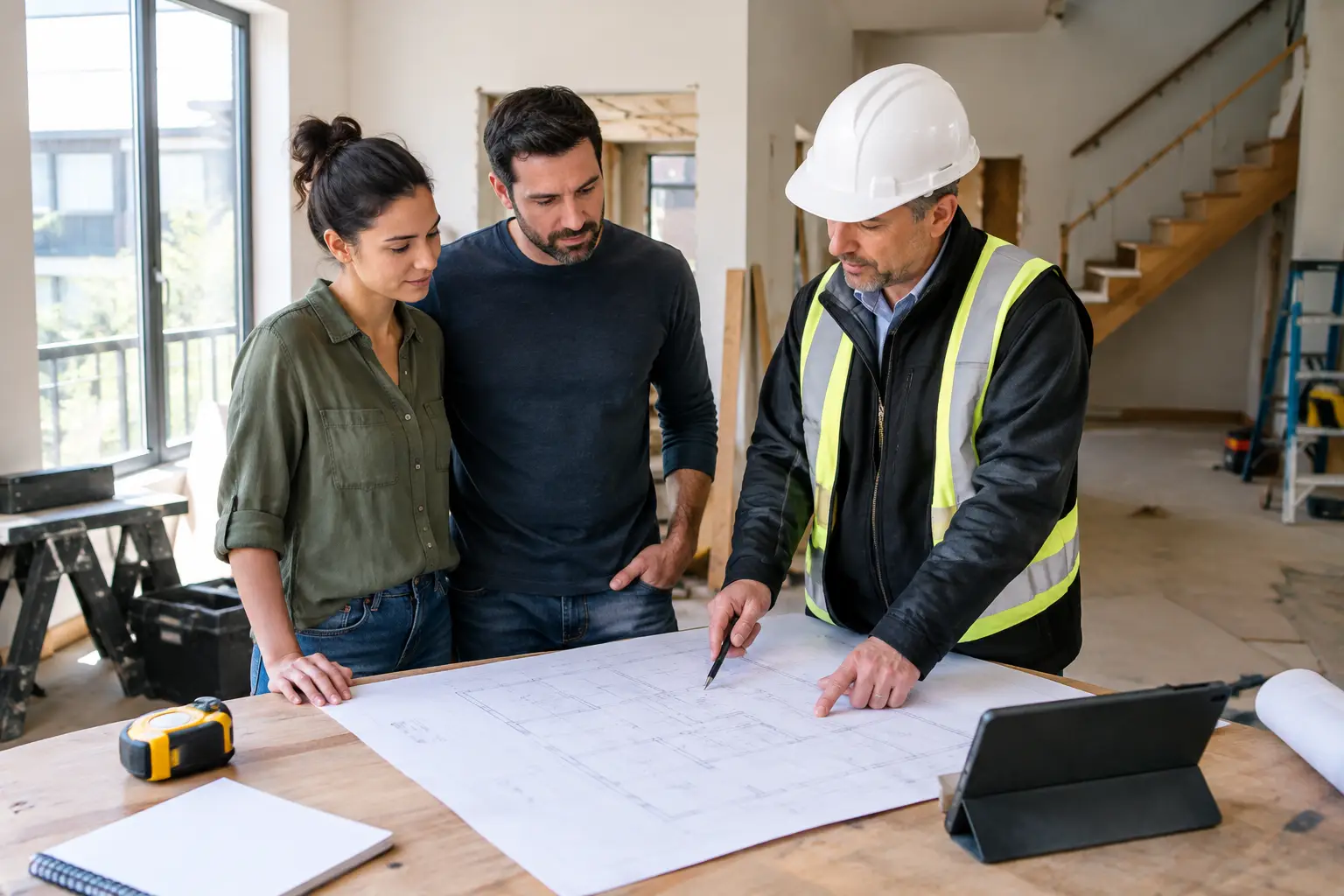
For a homeowner planning a kitchen renovation or a new laneway home, this can lead to more useful early conversations. Which choices are fixed? Which are still being explored? Where is there room to adjust cost without compromising the parts of the project that matter most?
Better design coordination
Drawings are the shared language of a construction project. When the design team, builder, and trades are working from different versions, errors become much more likely.
Cloud-based document management gives the team a central place for current drawings, specifications, site instructions, and approved changes. For more complex projects, 3D modeling and building information modeling can help identify conflicts before they become expensive field issues. For example, a mechanical duct route that interferes with a structural beam is far easier to resolve in planning than after framing and rough-ins are underway.
Not every project needs sophisticated 3D coordination. A focused bathroom renovation may benefit more from complete drawings, a detailed selection schedule, and prompt communication. A commercial buildout with multiple consultants and extensive mechanical work may justify more advanced coordination tools. The right level of technology depends on the project’s complexity, risk, and budget.
Real-time field documentation
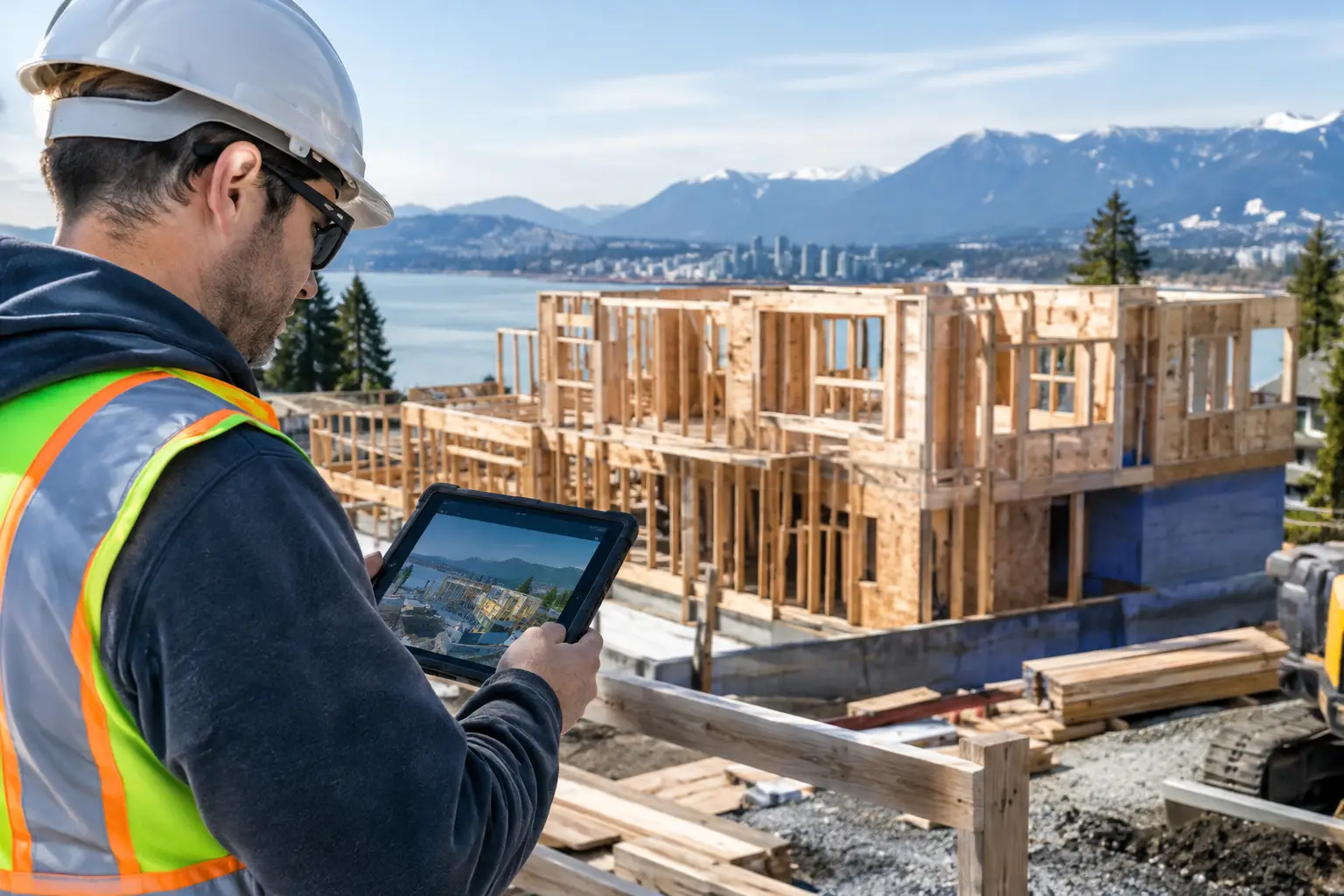
A construction site changes daily. Conditions behind walls, delivery timing, weather, inspections, and trade sequencing all affect the work. Field management tools allow project managers and site supervisors to record progress with photos, notes, checklists, and issue logs while details are still fresh.
For clients, this creates a more dependable record of what is happening. Instead of receiving only a general update, they can understand which milestones have been completed, what decisions are coming next, and whether an issue requires their input.
Documentation also protects the project after completion. Photos of in-wall plumbing, electrical routes, waterproofing, or structural work can be valuable when future maintenance or renovation is needed. They are not a substitute for quality inspections, but they provide useful context for the property owner.
Faster, more accountable decisions
Construction moves best when decisions have a clear owner and a clear deadline. Digital approval tools can organize finish selections, change requests, requests for information, and product substitutions so they do not get lost in text messages or informal conversations.
This is especially useful when a client is balancing a busy household, operating a business, or managing a project from a distance. A documented decision process makes it easier to see what was proposed, why it was needed, what it costs, and how it may affect timing.
Speed should not come at the expense of understanding. A good contractor will still explain the practical implications of a change. Approving a substitute flooring product, for instance, may affect lead time, installation requirements, maintenance, or the transition to adjacent materials. Technology makes the approval easier to manage, but thoughtful guidance makes it easier to make the right choice.
Technology Should Support Transparency, Not Create Distance
Some clients worry that digital systems will make construction feel impersonal. That concern is understandable. A portal, schedule, or dashboard is useful, but it cannot replace a project manager who answers the phone, explains an issue plainly, and takes responsibility for moving the work forward.
The strongest approach combines both. Clients should have access to organized project information, while also knowing who to contact and when they can expect an answer. Technology can reduce confusion, but trust is built through consistent follow-through.
This is also why the most advanced tool is not always the best tool. A complicated platform that no one uses consistently can create more friction than a simple, well-managed system. What matters is that the process is clear to the people relying on it: the owner, the project team, consultants, and trades.
Questions to Ask Before a Project Begins
When choosing a contractor, it is reasonable to ask how they use technology to manage communication, budgets, schedules, and documentation. The answers can tell you a great deal about how the team approaches accountability.
Ask where drawings and approvals will be stored, how changes will be priced and approved, and how often you will receive updates. Ask who is responsible for keeping the schedule current and how delays or site discoveries will be communicated. If your project includes a large number of selections, ask how those choices will be tracked so procurement stays ahead of installation.
For commercial work, it is also helpful to ask how the contractor coordinates with building management, consultants, inspectors, and long-lead suppliers. A business opening date may depend on more than construction progress. Permits, utility work, landlord approvals, equipment delivery, and occupancy requirements all need to be visible in the planning process.
A dependable contractor should be comfortable discussing these details before a contract is signed. Clear systems are not an extra feature. They are part of protecting your time, budget, and investment.
The Human Side of a Better-Built Project
Construction technology can improve accuracy, visibility, and speed, but it does not eliminate uncertainty. Older homes can reveal hidden conditions. Materials can be delayed. Municipal review timelines can change. The difference is how well the project team identifies those risks early, communicates them honestly, and presents practical options.
At Rely Construction, the purpose of organized project systems is to keep clients informed without overwhelming them with technical detail. The work still depends on careful planning, skilled trades, quality control, and a team willing to take ownership of the outcome.
The best technology is the kind that helps your project feel more understandable at every stage. When the information is current, decisions are documented, and communication is handled with care, you can spend less energy chasing answers and more energy looking forward to the space you are building.