
How to Finance New Home Build Costs
Learn how to finance new home build costs, compare loan options, plan cash flow, and avoid budget surprises before construction begins.
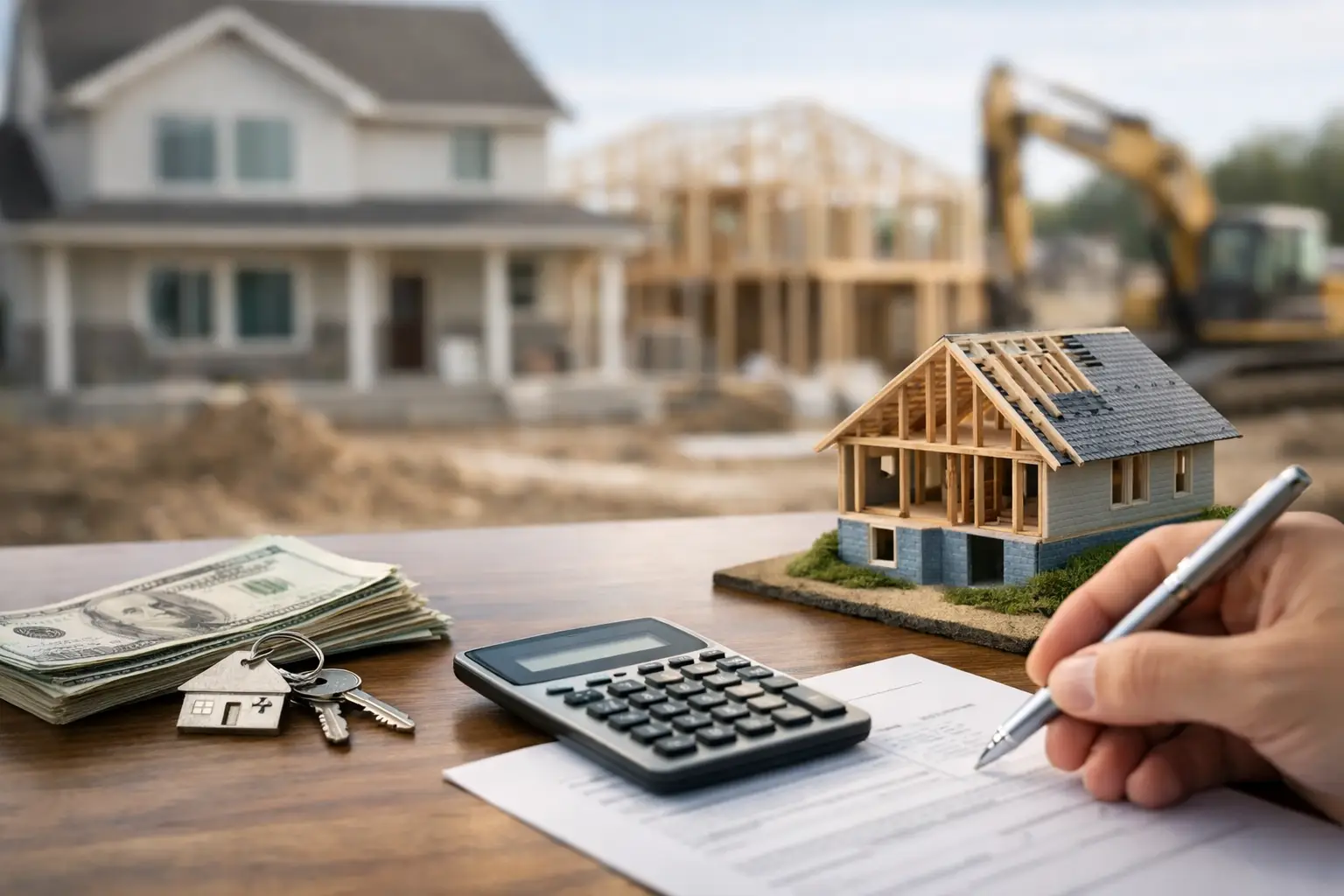
Sticker shock usually hits before the first shovel goes in the ground. A family finds a lot they love, sketches out the home they have been picturing for years, and then realizes the biggest question is not design – it is how to finance new home build costs without putting the entire project at risk.
That question deserves a clear answer, because financing a custom home is different from buying an existing one. You are not simply taking out a mortgage on a finished property. You are funding land, drawings, permits, site work, materials, labor, and a schedule that can shift as real conditions on site come into focus. The right financing plan supports the build. The wrong one can create stress at every stage.
How to finance new home build projects starts with the full budget
Before you compare lenders or loan products, get realistic about the total cost of the project. Many owners focus on the construction contract and overlook everything around it. In practice, your budget may include land acquisition, design fees, engineering, surveys, permit costs, demolition, servicing, utility connections, landscaping, insurance, and contingency.
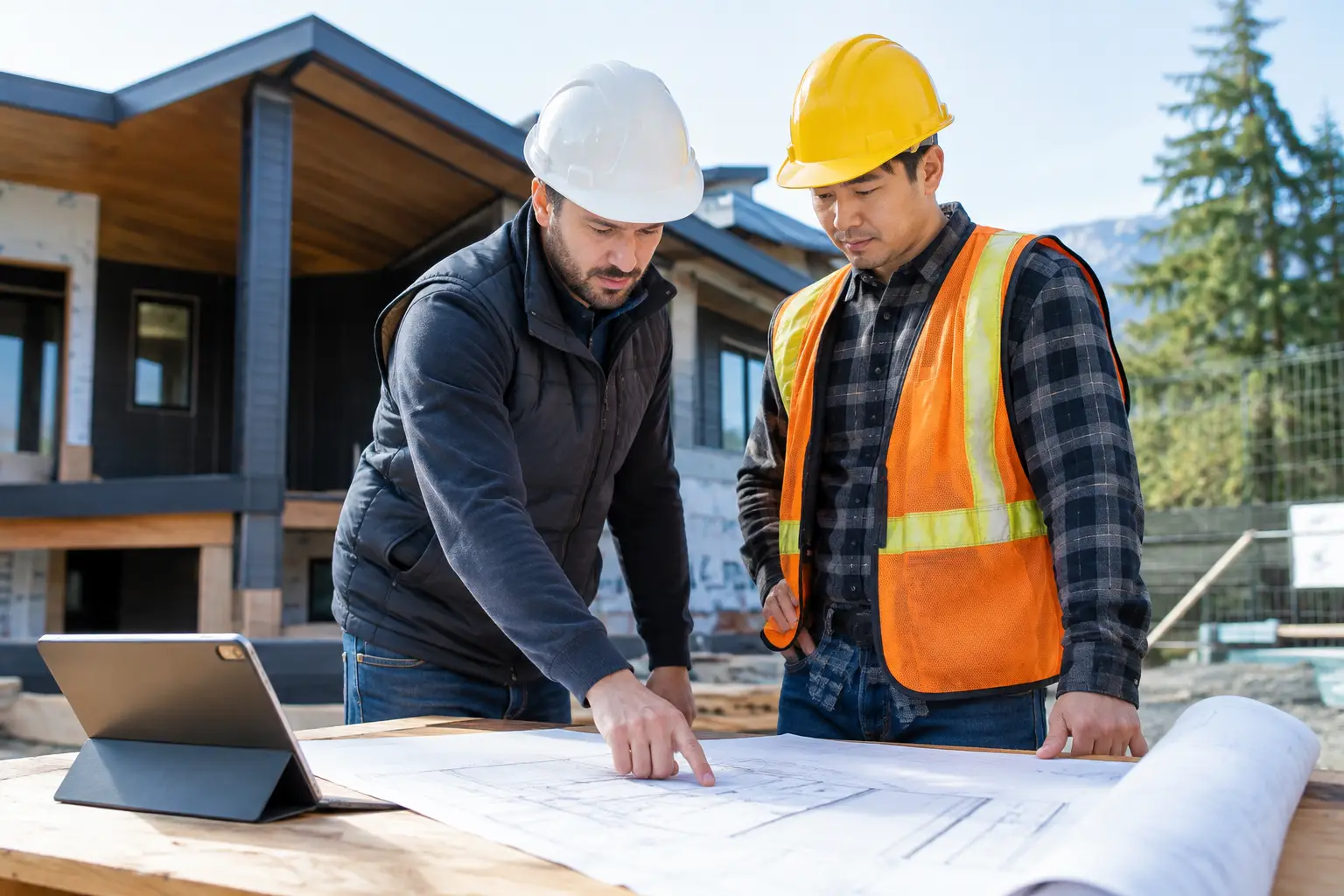
This is where a detailed pre-construction process matters. A strong contractor and design team can help identify the real scope early, so you are not trying to finance a partial picture. Even well-planned projects can change once excavation begins or municipal requirements become clearer. A financing plan should account for that reality instead of assuming best-case conditions.
A good rule is to separate your numbers into three buckets: hard costs, soft costs, and contingency. Hard costs are the physical build. Soft costs cover planning, approvals, and professional services. Contingency is your buffer for the unknowns. Without that buffer, even a small overrun can force uncomfortable decisions mid-project.
The main ways to finance a new home build
Most homeowners use one of three paths: cash, a construction loan, or a loan that converts into a traditional mortgage once the home is complete. Which option makes sense depends on your cash reserves, your equity position, your timeline, and how much flexibility you want during construction.
Paying in cash
If you have enough liquidity, paying cash gives you the most control and avoids lender oversight during the build. There are no draw inspections from the bank, no loan closing requirements, and no interest charges on borrowed construction funds.
That said, cash is not automatically the best choice. Tying too much capital up in the project can leave you exposed if costs rise or your personal situation changes. Even clients with substantial assets sometimes choose partial financing so they can preserve liquidity and keep a healthy reserve after construction.
Construction-only loans
A construction loan is short-term financing designed specifically for the building phase. Funds are typically released in draws as work is completed. Instead of receiving the entire loan amount at once, the lender advances money at defined stages, often after inspections or progress reviews.
This can work well, but it requires organization. Your builder needs to provide proper documentation, and your project schedule has to align with the lender’s process. If the paperwork is weak or communication is slow, draws can be delayed. That can affect momentum on site.
Construction loans also tend to carry higher interest rates than standard mortgages, at least during the build. Lenders see unfinished homes as a different risk category than completed ones.
Construction-to-permanent loans
For many owners, this is the most practical route. A construction-to-permanent loan finances the build first and then converts into a regular mortgage after completion. Instead of arranging one loan for construction and a second loan later, you move through one structured financing path.
The benefit is simplicity. You have more clarity about the long-term mortgage from the start, which can reduce surprises at the end of the project. The trade-off is that lenders may be stricter upfront, since they are evaluating both the build and the finished home as part of one package.
What lenders look at before approving financing
Lenders are not just evaluating you as a borrower. They are evaluating the project itself.
They usually want to see your income, assets, debts, credit history, and down payment. They also want plans, specifications, a construction budget, timeline, and a signed agreement with the builder. In many cases, they will assess the projected value of the completed home, not only the current value of the land.
Experience and documentation matter here. A well-scoped project with clear drawings, a realistic budget, and a professional construction team tends to move through financing more smoothly than a project that is still loosely defined. If your lender has questions about feasibility, allowances, or sequencing, vague answers can slow everything down.
How much do you need upfront?
This is one of the most common concerns, and the answer depends on the lender and the project structure. In many cases, you will need a meaningful down payment or existing equity in the land. If you already own the lot, that equity may help support the financing. If you still need to buy the land, your financing strategy becomes more layered.
You should also expect upfront costs before the first loan draw arrives. Design work, permit applications, surveys, soil reports, insurance, and early deposits often need to be paid before full construction financing is active. That is why many owners need both approved financing and accessible cash reserves.
It is not enough to qualify on paper. You need enough working capital to keep the project moving without strain.
Why the lowest rate is not always the best financing option
When people think about how to finance new home build projects, they often start and end with interest rates. Rate matters, but it is not the only factor worth comparing.
Look closely at draw schedules, inspection requirements, lender responsiveness, fees, extension terms, and how change orders are handled. A lender with a slightly lower rate but a rigid, slow draw process can create real friction during construction. On the other hand, a lender who understands construction and communicates clearly may help keep the project stable even if the rate is not the absolute lowest.
The same principle applies to the build team. Financing works best when your contractor can provide organized budgets, progress updates, and documentation that supports the lender’s process. This is one reason owners value a hands-on contractor-partner like Rely Construction. Strong project management does not just affect workmanship – it can support smoother funding and fewer administrative headaches during the build.
Common financing mistakes to avoid
The biggest mistake is underestimating total cost. The second is assuming financing approval means you are fully prepared. Approval is only part of the equation. You still need a realistic cash flow plan.
Another common issue is building to the top of your approval limit with no breathing room. If every dollar is already committed, normal project variables can become major problems. Material changes, site conditions, utility work, and municipal requirements are not unusual. They are part of building.
Some owners also move too quickly into financing before their scope is mature enough. If drawings are incomplete or budgets are based on rough guesses, the loan structure may not fit the actual project. It is far better to spend more time upfront on planning than to force revisions after financing is already in place.
A practical way to prepare before speaking with lenders
Start by getting clarity on the project itself. That means understanding the size of the home, the quality level you want, the site conditions, and the approval path. Then gather your financial documents and talk with both a lender and your contractor early.
Those conversations should happen in parallel. Your lender can explain what they need to approve the loan, while your contractor can explain what the project is likely to require in real terms. When those two sides are aligned, you are in a much stronger position to move forward confidently.
If you are still choosing between building and buying, financing can also help answer that question. A new build offers control, customization, and the chance to create a home around your life. But it also requires patience, decision-making, and a financing structure that fits a more complex process. There is no one-size-fits-all answer, and that is okay.
The right path is the one that lets you build with confidence, protect your budget, and make decisions from a position of clarity rather than pressure. When financing is planned carefully, the project feels less like a financial balancing act and more like what it should be – a well-managed investment in the way you want to live.