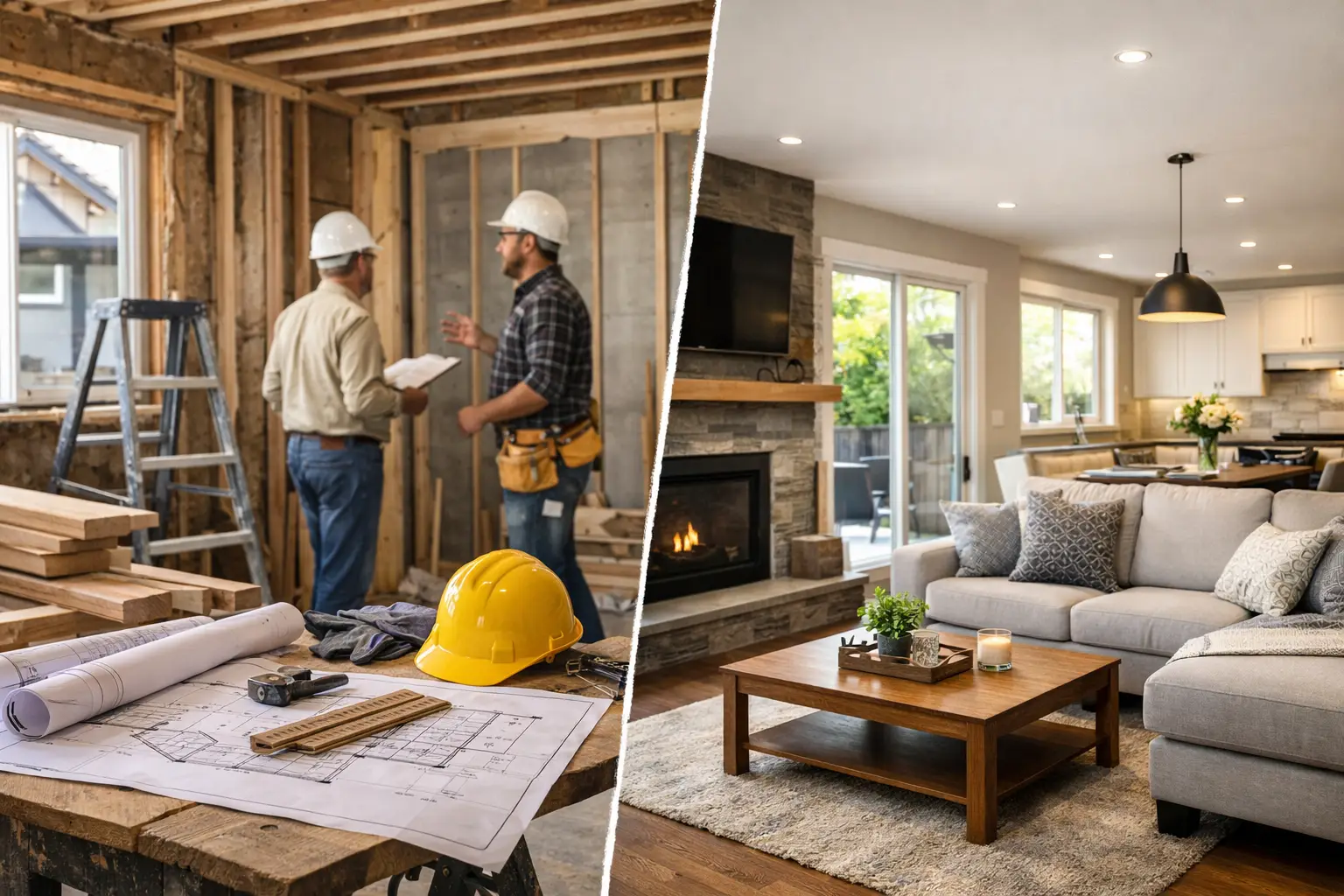
A renovation can look quiet for weeks, then suddenly feel very busy once demolition begins. That is why the most honest answer to how long do renovations take is not simply the number of construction days. A realistic timeline includes planning, design decisions, pricing, permits, material ordering, inspections, construction, and final touch-ups.
For homeowners and business owners, the goal is not to rush through those stages. It is to manage them well, so the work moves forward with fewer surprises and your investment is protected.
How Long Do Renovations Take by Project Type?
Every property has its own conditions, but the ranges below offer a practical starting point. They assume the project is properly planned, materials are selected in time, and there are no major unforeseen conditions behind walls, under floors, or in existing building systems.
Cosmetic updates: 2 to 4 weeks
Painting, new flooring, trim work, lighting updates, and similar finish-focused improvements can often be completed in a few weeks. The timeline may increase if several rooms are involved, specialty flooring needs acclimation, or the space remains occupied while work is underway.
Even a modest update benefits from coordination. Flooring, paint, electrical adjustments, and finish carpentry all need to happen in the right order to avoid rework.
Bathroom renovation: 4 to 8 weeks of construction
A typical bathroom remodel may take four to eight weeks once construction starts. The full process can take eight to fourteen weeks when design, fixture selection, ordering, and permitting are included.
Bathrooms are compact, but they involve many trades in a small area: demolition, plumbing, electrical, waterproofing, tile, cabinetry, glass, painting, and finish installation. Custom tile layouts, relocated plumbing, heated floors, or made-to-order shower glass can extend the schedule. Waterproofing and tile-setting also require proper cure times, which should never be skipped to save a few days.
Kitchen renovation: 6 to 12 weeks of construction
Kitchens commonly take six to twelve weeks to build, with the overall timeline often reaching three to five months from early planning to completion. Cabinet lead times are frequently one of the biggest variables.
A kitchen is not just a collection of finishes. It is a working system of electrical circuits, plumbing, ventilation, appliances, cabinetry, countertops, and lighting. If walls are moved or structural changes are needed, more time is required for engineering, permits, and inspections. Countertop templating generally happens only after cabinets are installed, so that stage cannot be rushed ahead of the work that comes before it.
Basement renovation: 8 to 16 weeks of construction
A basement remodel usually takes two to four months of construction. If the project includes a bathroom, kitchenette, separate entrance, moisture remediation, upgraded electrical service, or a legal suite conversion, the total timeline may reach three to six months or longer.
Basements require careful attention to conditions that may not be visible at the first walkthrough. Moisture, insulation, ceiling height, drainage, existing ductwork, and electrical capacity can all affect scope. Addressing those items early is better than covering them up and creating a larger problem later.
Full-home renovation: 4 to 12 months of construction
A full-home renovation can range from four months to a year, depending on the size of the home and the extent of the work. Projects involving additions, structural changes, major mechanical upgrades, or a complete interior reconfiguration may require additional pre-construction time and a longer build schedule.
For a project of this scale, it is useful to think in phases rather than rooms. Demolition and structural work come first, followed by mechanical rough-ins, insulation, drywall, finishes, cabinetry, and final details. One delayed decision or material at an early stage can affect several trades that follow.
Commercial tenant improvements: 2 to 6 months or more
Commercial renovation timelines vary widely because the needs of a retail store, office, restaurant, clinic, or warehouse are very different. A straightforward office refresh may be completed in several weeks, while a restaurant or medical buildout can take months due to specialized mechanical systems, accessibility requirements, equipment coordination, and inspections.
For business owners, the schedule should also account for lease requirements, landlord approvals, municipal permits, opening dates, equipment delivery, and the cost of remaining closed or operating around construction.
The Timeline Starts Before Construction
The construction period is only one part of the project. Before a crew arrives, there is essential work that shapes both the schedule and the final result.
A well-managed renovation typically begins with a site review and feasibility assessment. This is where the team considers the existing structure, building systems, project goals, likely permit requirements, and budget range. Next come design coordination, selections, scope development, and detailed pricing.
Permitting may take a few weeks or several months, depending on the project and local review requirements. Renovations that change structure, plumbing, electrical systems, use of space, exterior elements, or life-safety features are more likely to require permits. Permit timing is not always within a contractor’s control, but clear drawings and complete submissions help avoid preventable back-and-forth.
Procurement is another major pre-construction factor. Appliances, cabinets, windows, specialty tile, custom millwork, and lighting can have long lead times. Ordering key materials before demolition begins gives the project a much stronger foundation.
What Can Delay a Renovation?
Delays are not always a sign of poor planning. Older homes and commercial spaces can reveal conditions that no one could see before walls or ceilings are opened. The difference is how those issues are communicated, priced, and resolved.
Common schedule pressure points include:
- Hidden water damage, mold, outdated wiring, asbestos-containing materials, or structural concerns discovered during demolition.
- Changes to the scope after construction has started, especially changes involving plumbing locations, cabinetry, layouts, or finishes.
- Long lead times or backorders for selected materials, appliances, fixtures, and custom products.
- Permit review, inspection availability, landlord approvals, or utility work that falls outside the contractor’s direct control.
- Slow decision-making when a trade needs clarification before proceeding.
Some delays are worth accepting. Waiting for the correct waterproofing cure time, completing a necessary structural repair, or replacing a substandard material protects the long-term quality of the work. Cutting those corners may create a faster handover date, but it can lead to expensive repairs later.
How to Keep Your Project Moving
The most reliable way to shorten a renovation is not to compress every task. It is to reduce uncertainty before the first day of construction.
Start by defining what success looks like. Is the priority additional space, better function, a particular opening date, resale value, accessibility, or a specific design vision? Clear priorities help guide decisions when trade-offs arise.
Complete as many selections as possible before construction begins. Cabinets, tile, plumbing fixtures, appliances, flooring, paint colors, and hardware all affect the schedule. A contractor can help identify which choices need to be finalized first based on procurement lead times and installation sequence.
It also helps to establish a realistic contingency. Older properties especially can require work that was not apparent during the initial review. A budget and schedule buffer allow you to address legitimate discoveries without turning every issue into a crisis.
Finally, choose a contractor who provides a clear schedule, regular updates, and a single point of accountability. You should understand what stage the project is in, what is happening next, and whether a decision is needed from you. At Rely Construction, that hands-on communication is part of how projects are managed from planning through handover.
Questions to Ask About Your Renovation Schedule
Before committing to a project, ask whether the proposed timeline includes design, permitting, material lead times, construction, inspections, and final deficiency work. Ask which materials are on the critical path, what assumptions the schedule relies on, and how change requests will be handled.
You should also ask whether your home or business can remain occupied during construction. A phased renovation may reduce disruption, but it can take longer because crews must protect completed areas and work around daily use. Moving out temporarily can sometimes improve efficiency, though it adds its own cost and planning considerations.
A good renovation schedule is not a promise that nothing will change. It is a practical plan that identifies dependencies, leaves room for responsible problem-solving, and keeps everyone informed when conditions shift.
The best time to protect your renovation timeline is before demolition starts. Give the planning stage the attention it deserves, make key decisions early, and work with a team that treats your time, budget, and property with the same care you do.